Professor Wei Zhu, Jimin Guo and C. Jeffrey Brinker Published Paper in PNAS: Cryogenic silicification enables nongenetic functional continuity across mammalian cell generations
Recently, Professor Wei Zhu from the School of Biology and Biological Engineering at South China University of Technology, in collaboration with Professor Jimin Guo from Beijing University of Chemical Technology and Professor C. Jeffrey Brinker from the University of New Mexico, published a research article entitled “Cryogenic silicification enables nongenetic functional continuity across mammalian cell generations” in the Proceedings of the National Academy of Sciences (PNAS).
Mammalian cells are highly flexible but lack rigid protective structures, making them vulnerable to mechanical and environmental stresses. Inspired by diatom biomineralization, this study developed a cryogenic silicification strategy that integrates continuous silica networks within living mammalian cells, generating a novel silica-cell hybrid system termed Silicacytes. Unlike conventional artificial cellular coatings, Silicacytes achieve deep material–cell integration and endow cells with enhanced mechanical robustness and environmental adaptability. Furthermore, this study reveals a material-mediated nongenetic functional continuity in which reinforced cellular states persist across multiple generations without altering genetic identity, providing new insights into the interaction between engineered materials and living systems.
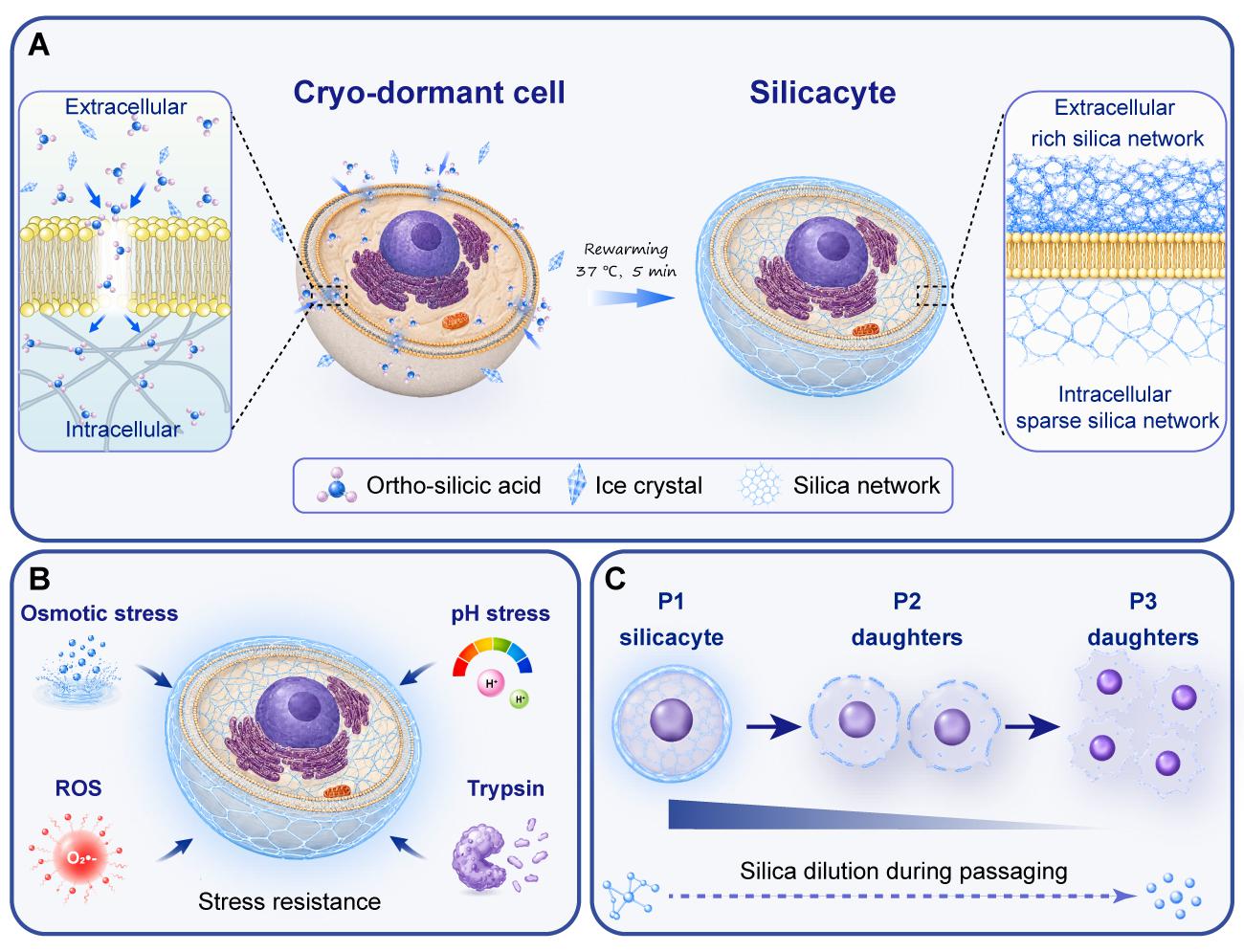
Figure1. Schematic illustration of Silicacyte generation by cryogenic silicification and its transgenerational functional regulation
Morphological characterization of Silicacytes demonstrated that silicon elements were deeply integrated across intracellular and extracellular compartments at the single-cell level while preserving cellular viability, forming a continuous inorganic network intimately associated with cellular structures. ICP-OES quantification further verified efficient silicon incorporation and cellular-scale accumulation of inorganic silica.
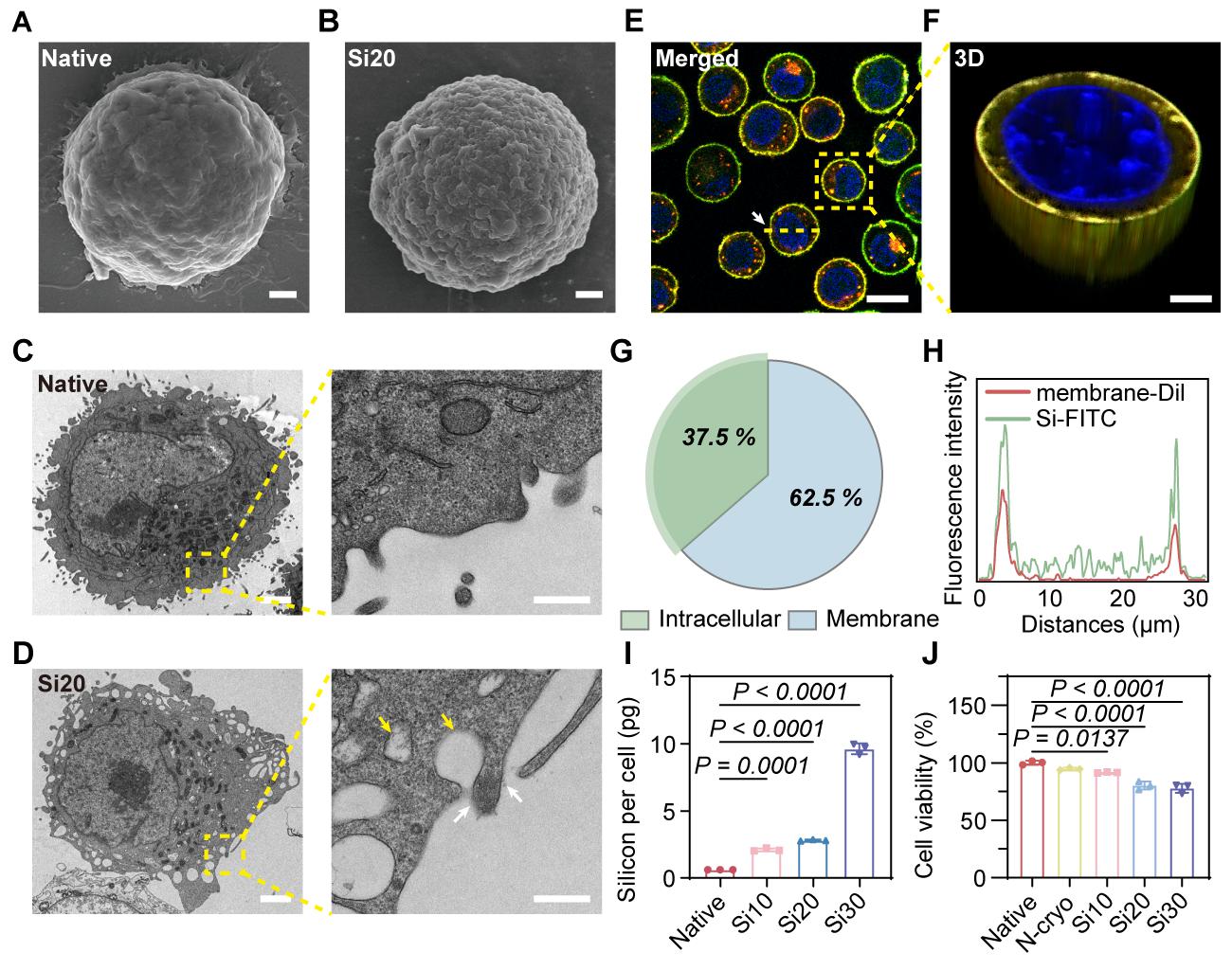
Figure 2. Construction of Silicacytes and characterization of continuous inorganic silica networks
Mechanical and behavioral analyses revealed that Silicacytes acquired distinct physical phenotypes from native mammalian cells. Increased silica network integration enhanced cellular stiffness while modulating adhesion, proliferation, and migration behaviors. F-actin remodeling further demonstrated that inorganic structural integration regulates cellular functions through mechanical state modulation.
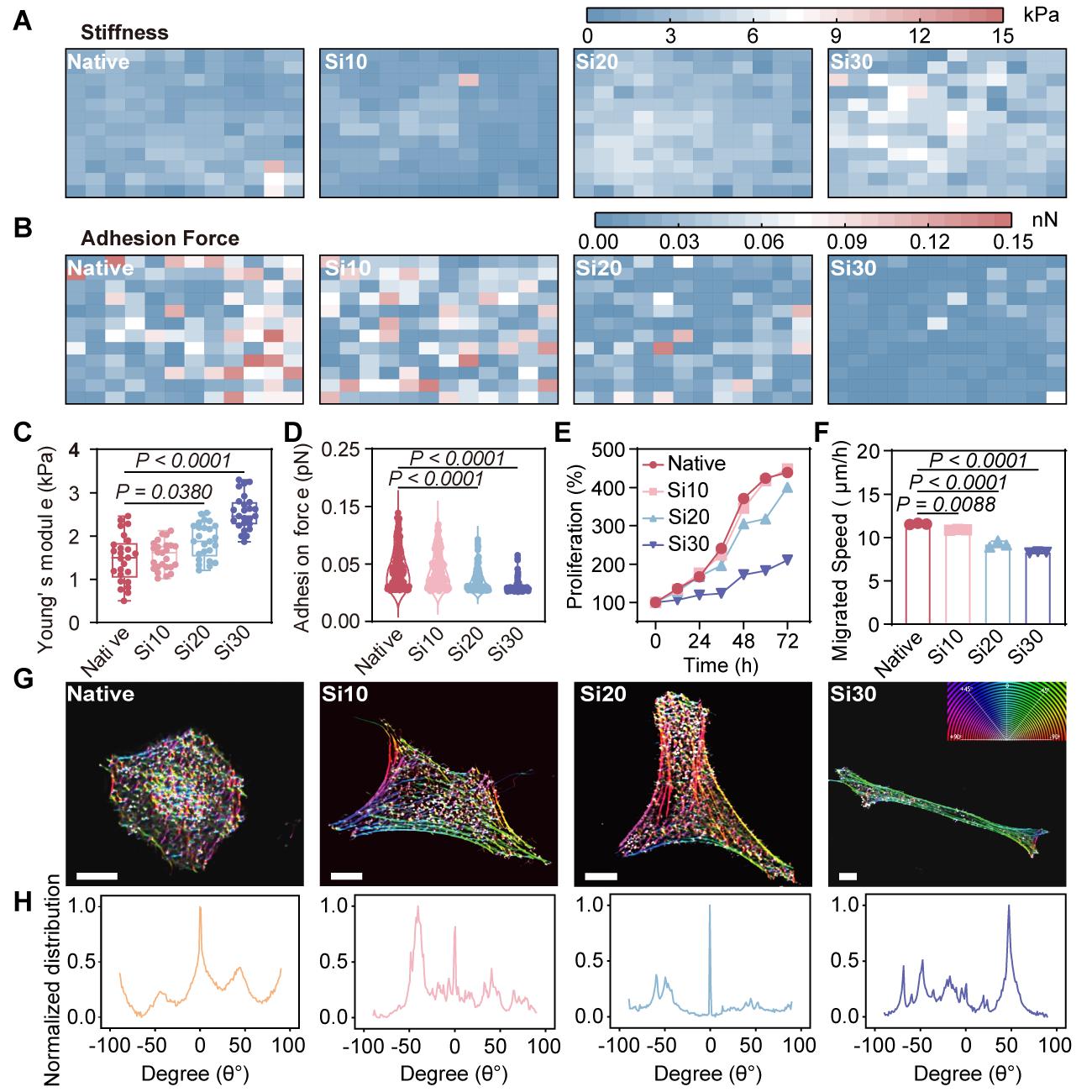
Figure 3. Mechanical reinforcement and F-actin remodeling in Silicacytes
Mechanistic studies revealed that Silicacytes regulate cellular functions through cytoskeletal remodeling and molecular signaling responses. Silicification reshaped F-actin organization, focal adhesion formation, and cell spreading behavior, while modulating MAPK, migration, and stress-related pathways. These results highlight the ability of material–cell mechanical coupling to regulate cellular states across structural and molecular levels.
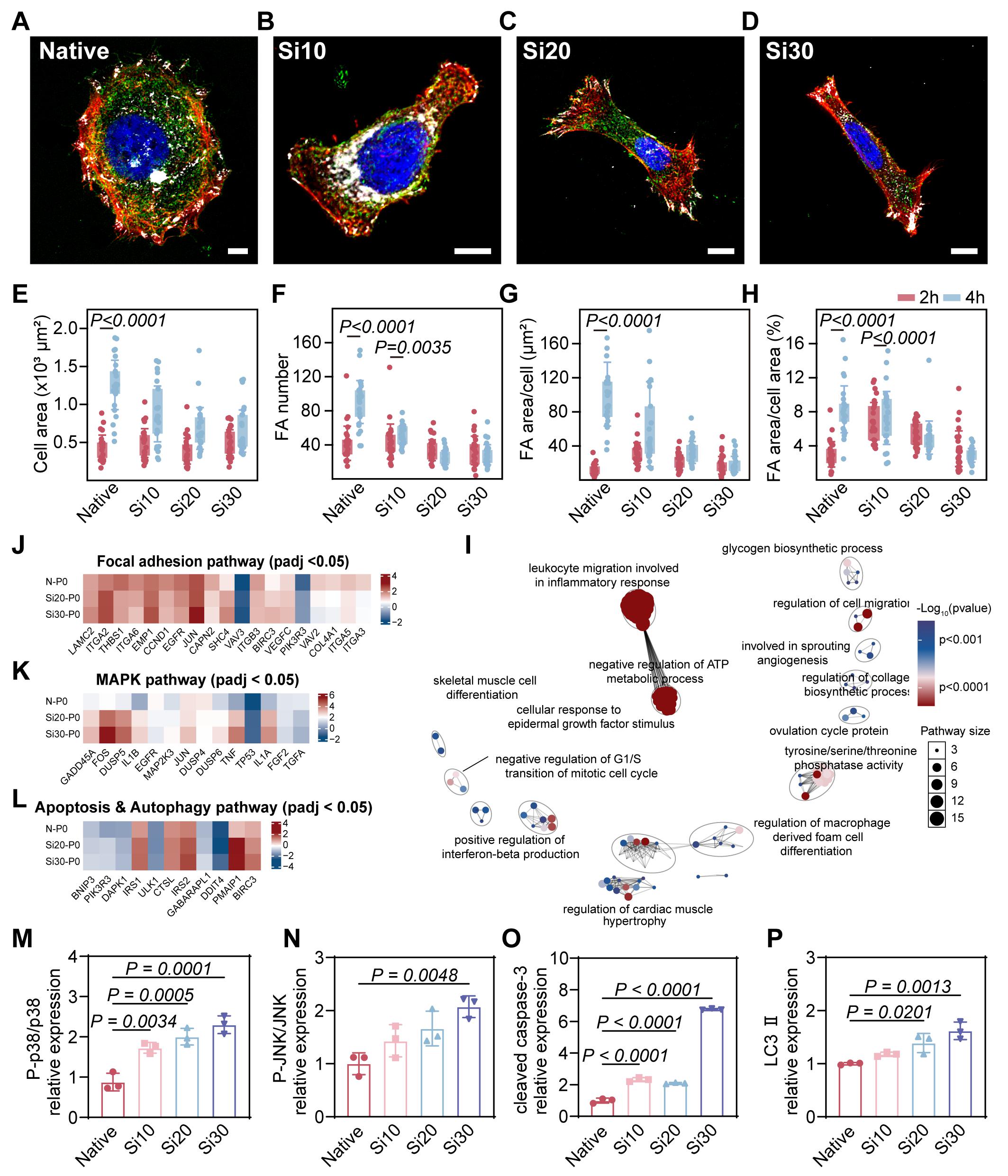
Figure 4. Silicacyte-mediated regulation of cellular adhesion and molecular responses
Notably, the functional enhancement induced by silicification persists across multiple cell generations. Serial passaging experiments revealed that silica structures are gradually partitioned and diluted during cell division, yet the enhanced cellular phenotypes remain maintained in early generations before gradually returning to the native state as silica content decreases. This finding demonstrates that exogenous materials can confer mammalian cells with a transient and reversible “quasi-heritable” functional continuity without genetic modification, revealing a new dimension of cellular regulation beyond genetic inheritance.
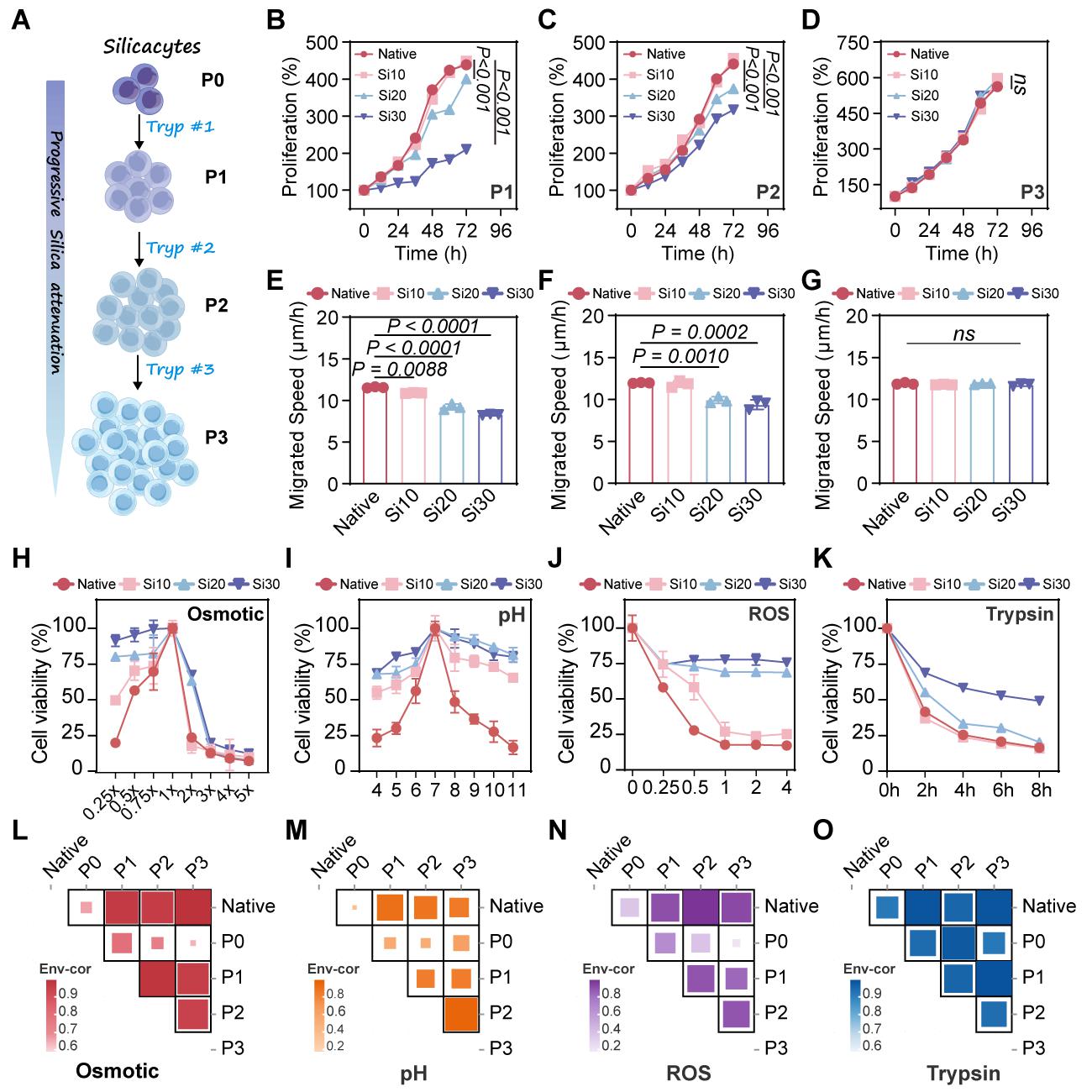
Figure 5. Transgenerational functional continuity and gradual restoration of Silicacytes
Further studies revealed the broad applicability of Silicacytes across different cell types. In bone marrow-derived dendritic cells (BMDCs), Silicacytes maintained high viability while modulating immune activation phenotypes and functional responses. These findings demonstrate that inorganic material integration can extend beyond structural reinforcement to regulate diverse cellular states, highlighting the potential of Silicacytes for immune cell engineering and functional cell modulation.
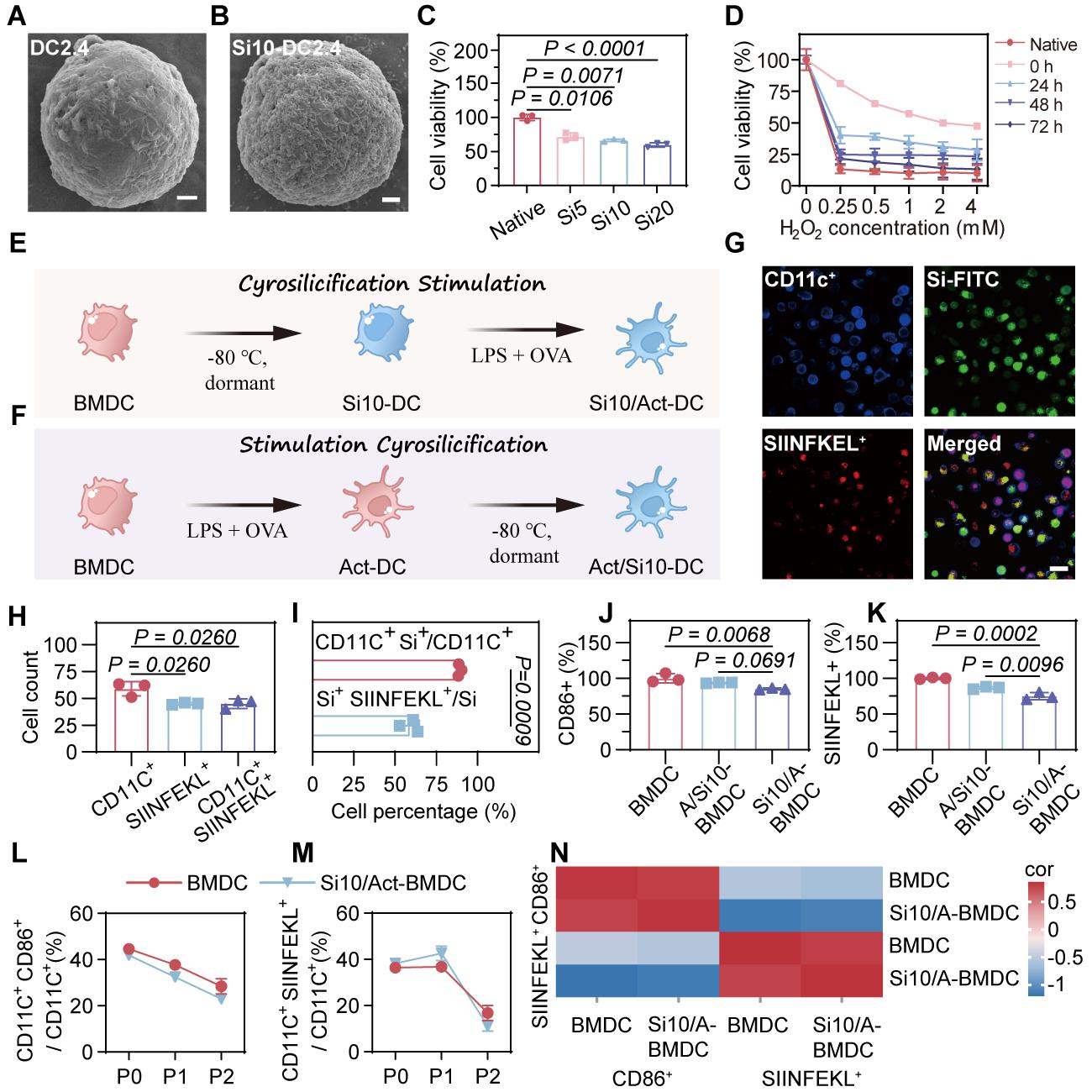
Figure 6. Broad applicability of cryogenic silicification across diverse cell types
The key highlights of this study include:
(1) Development of a cryogenic-induced in situ silicification strategy for constructing silica-cell hybrid systems. By introducing continuously distributed silica networks across intracellular and extracellular compartments of living mammalian cells, this strategy achieves deep integration between inorganic materials and cellular structures, generating Silicacytes with enhanced mechanical stability and environmental stress tolerance.
(2) Discovery of a material-mediated nongenetic functional continuity phenomenon. This study reveals that exogenous silica structures can be progressively transmitted during cell division, enabling Silicacytes to maintain enhanced structural robustness and stress resistance across multiple cell generations. This establishes a functional continuity mode distinct from conventional genetic inheritance.
(3) Establishment of a reversible and time-limited cellular reinforcement paradigm. The material-mediated functional enhancement does not permanently alter cellular states but gradually diminishes as silica structures are diluted during cell proliferation, allowing cells to return to their original state. This dynamic regulation of cellular functions provides a new strategy for developing adaptive cell engineering systems.
This work was financially supported by the National Natural Science Foundation of China (22372061 and 22572061), Guangdong S&T Program (2024B1111130002), Guangzhou Science and Technology Plan Project (No. 2024A03J0163), the Fundamental Research Funds for the Central Universities of China.