Professor Wei Zhu, Yi Ma and Qi Lei Published Paper in AM: Harnessing Silicene-to-Silicic Acid Conversion for Organelle-Specific Silica Deposition in Tumor Therapy
Recently, Professor Wei Zhu, Professor Yi Ma from the School of Biomedical Sciences and Engineering, South China University of Technology, in collaboration with Professor Qi Lei from The Second Affiliated Hospital of Guangzhou Medical University, published an online article in Advanced Materials (IF = 29.1) entitled “Harnessing Silicene-to-Silicic Acid Conversion for Organelle-Specific Silica Deposition in Tumor Therapy.” Shang Tongyi, a Ph.D. student from the School of Biomedical Sciences and Engineering, South China University of Technology, is the first author. Professors Qi Lei, Wei Zhu, and Yi Ma are co-corresponding authors.
In recent years, inducing localized mineralization in tumor tissues has emerged as a promising drug-free anticancer strategy. Inspired by this phenomenon, researchers have proposed artificially triggering tumor cell mineralization to achieve a “drug-free tumor eradication” concept. However, current calcium-based mineralization strategies rely on high concentrations of Ca2+ and PO43- in vivo, suffer from slow crystallization kinetics, are vulnerable to disruption by the rapid metabolic activity of tumor cells, and are difficult to achieve at organelle-level precision. Therefore, overcoming dependence on endogenous ions and realizing controllable, precise mineralization therapy remains an unresolved challenge in this field.
Inspired by diatoms, we propose inducing “biosilicification” of tumor mitochondria. Compared with conventional calcification, biosilicification relies on only one precursor—orthosilicic acid (Si(OH)4)—without requiring complex ionic balance, and offers higher mineralization efficiency and better controllability. Motivated by this natural process, we further propose for the first time a two-dimensional silicene-based “inorganic silicic acid reservoir,” enabling organelle-level precise biosilicification-based cancer therapy. This concept overcomes the intrinsic instability and poor in vivo delivery of traditional small-molecule precursors that undergo rapid hydrolysis, providing a new material foundation for silicification-based cancer treatment.
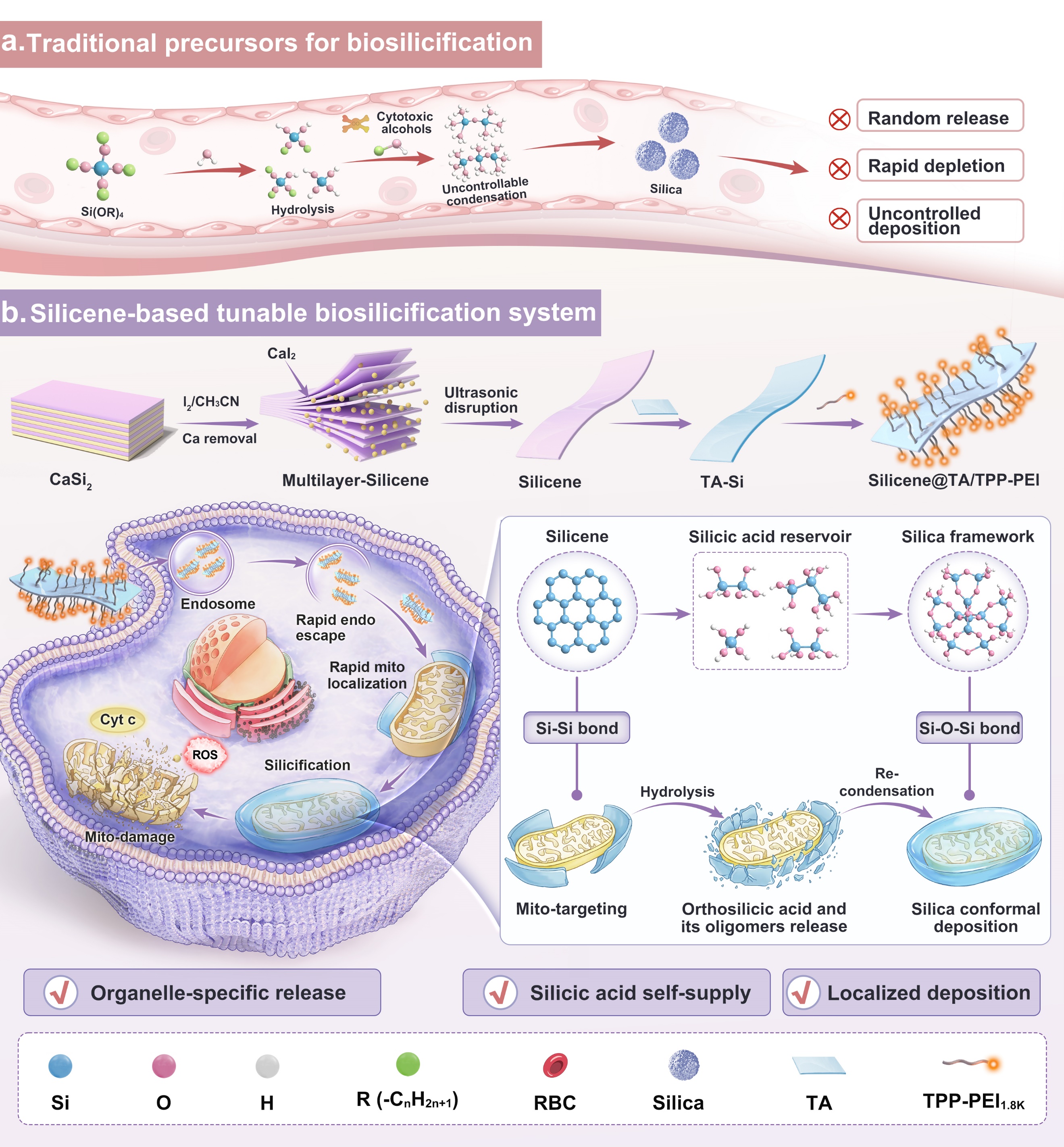
Figure 1. Schematic illustration of mitochondria-targeted and tunable biosilicification mediated by Silicene@TA/TPP-PEI (TPTS).
In this study, two-dimensional silicene nanosheets were prepared via a mild oxidative delamination method, and a TPTS system was constructed by introducing tannic acid (TA) and TPP-modified PEI to achieve mitochondrial targeting and tunable biosilicification. TA enhances surface stability and provides polyphenol-based interfacial binding capability, while PEI imparts positive charge to promote cellular uptake and endosomal escape. TPP serves as a mitochondrial-targeting ligand for subcellular selective accumulation. In vitro results demonstrate that TPTS selectively localizes on mitochondrial surfaces and induces localized silica deposition, leading to progressive surface roughening and interfacial confinement silicification, confirming its programmable subcellular targeted biomineralization capability.
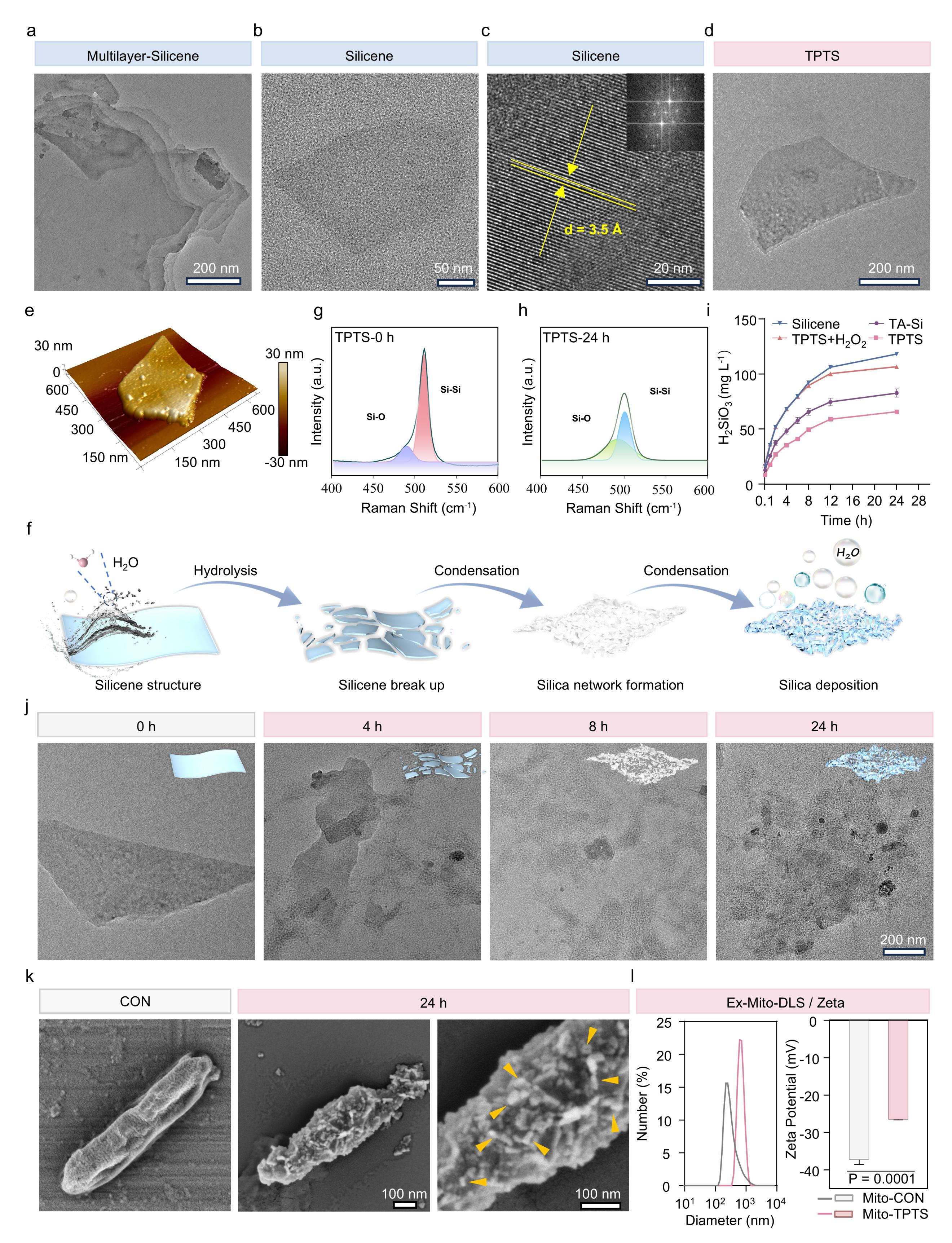
Figure 2. Preparation, structural characterization, and in vitro mitochondrial silicification of TPTS.
SIM and Bio-TEM analyses show that TPTS induces significant mitochondrial structural damage in 4T1 cells, leading to a transition from intact filamentous networks to fragmented, swollen, and shortened mitochondria. Ultrastructural observations further confirm membrane disruption and cristae loss, indicating severe mitochondrial dysfunction. In contrast, the cytoskeleton remains intact, suggesting mitochondria-selective targeting.
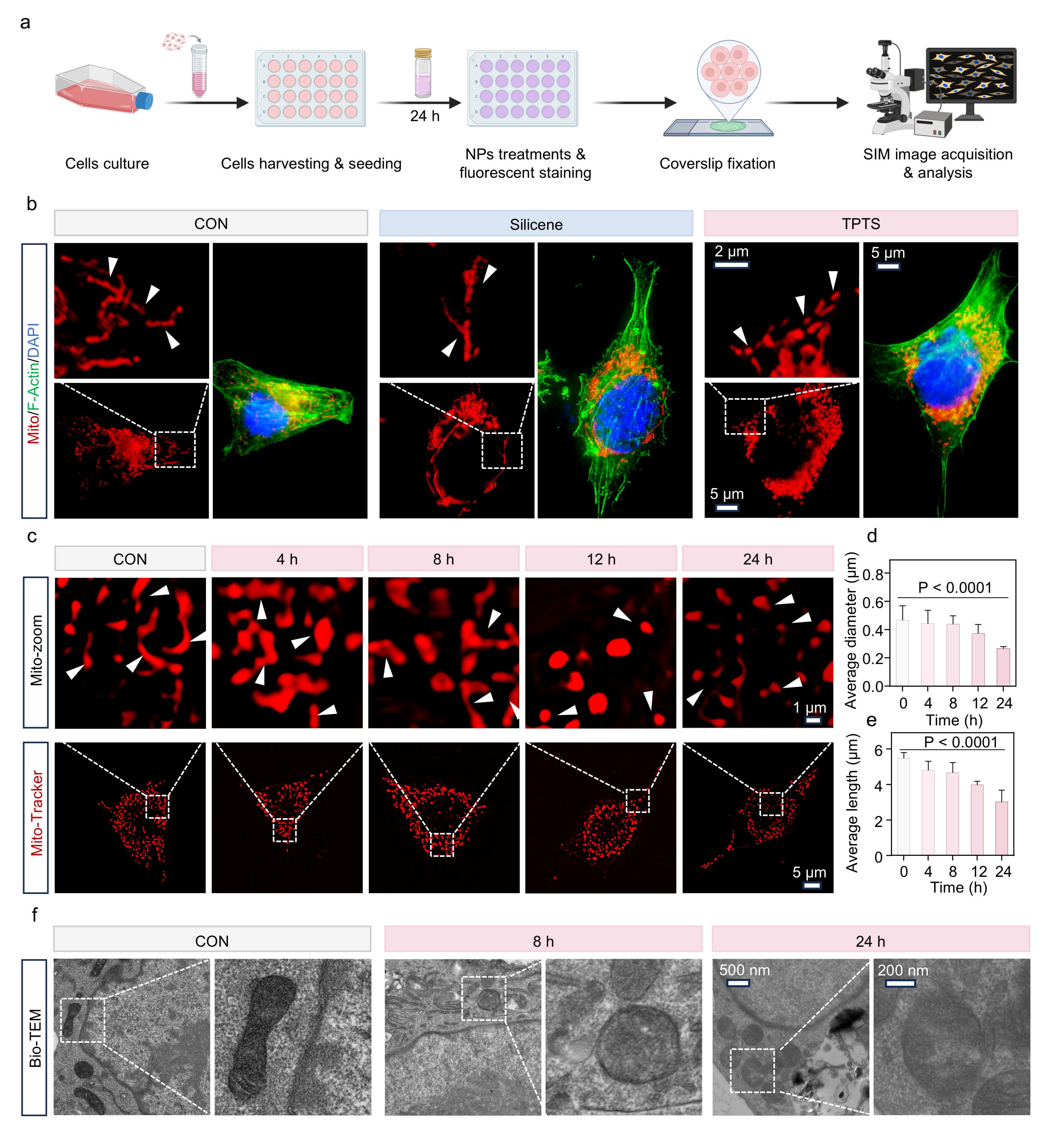
Figure 3. TPTS induces mitochondrial structural disruption.
Proteomic analysis reveals that TPTS markedly alters the protein expression profile of 4T1 cells, with differentially expressed proteins mainly enriched in mitochondrial matrix and protein complex pathways. GO and KEGG analyses indicate significant disruption of oxidative phosphorylation and energy metabolism, accompanied by activation of oxidative stress and apoptosis-related pathways. GSEA further confirms a global downregulation of mitochondrial function and energy conversion proteins, suggesting that TPTS disrupts mitochondrial protein networks and reprograms cellular energy homeostasis.
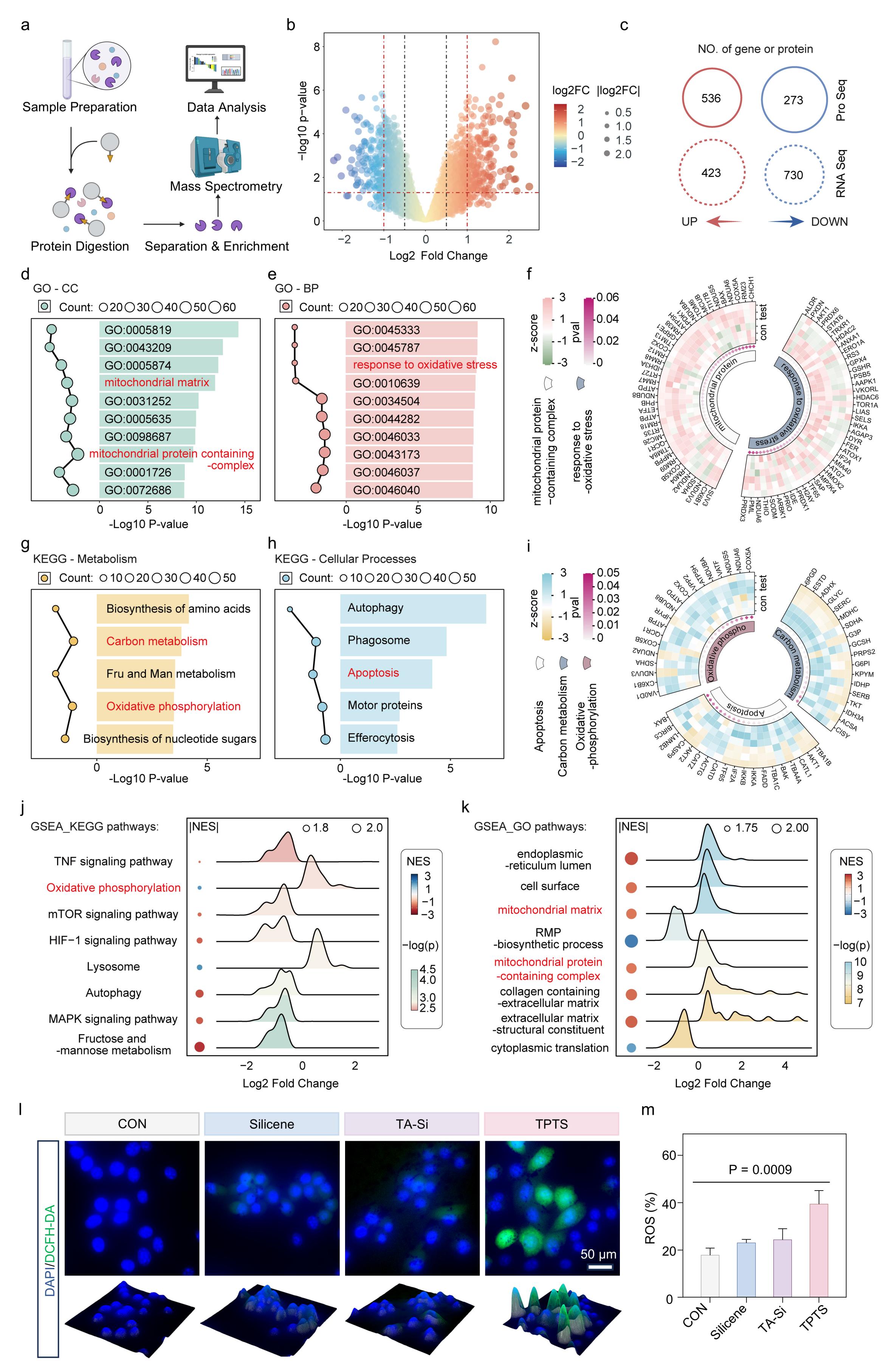
Figure 4. Proteomic analysis of TPTS-induced mitochondrial silicification in 4T1 cells.
In an orthotopic 4T1 TNBC model with systemic administration via tail vein injection, TPTS significantly inhibited tumor growth and reduced endpoint tumor burden without notable body weight loss, demonstrating strong antitumor efficacy and good in vivo safety.
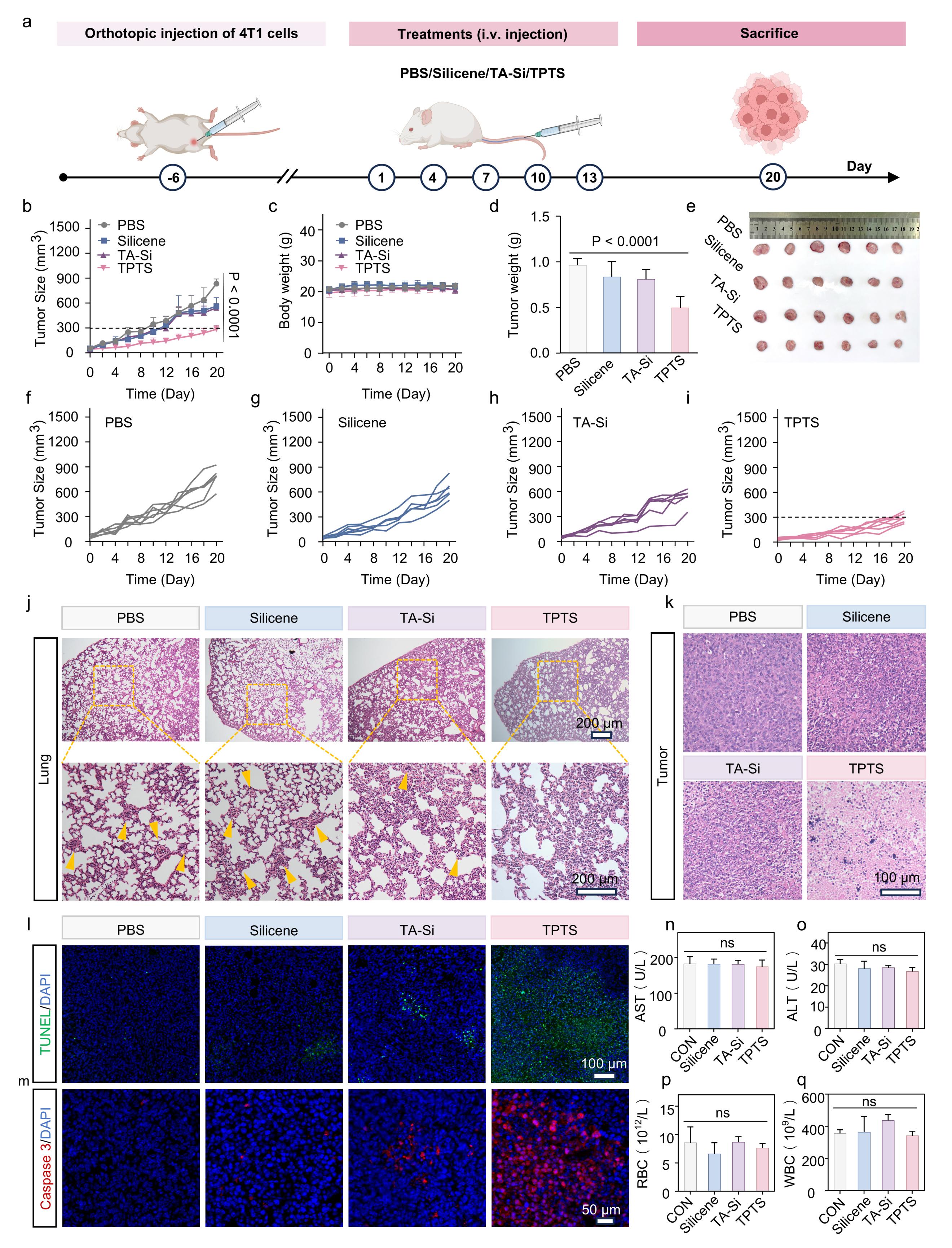
Figure 5. In vivo evaluation of orthotopic TNBC therapy.
Core highlights of this study:
(1) Construction of a “solid-state inorganic silicic acid reservoir” strategy: for the first time, two-dimensional silicene is engineered into a physiologically stable inorganic silicic acid reservoir in vivo, enabling programmable orthosilicic acid generation via material degradation. This overcomes the intrinsic instability and poor systemic delivery of conventional molecular precursors.
(2) Achievement of mitochondria-targeted spatially confined biosilicification: through synergistic TA interfacial regulation and TPP-mediated targeting, TPTS precisely accumulates on mitochondrial membranes and induces localized subcellular silica deposition, establishing a spatially restricted mitochondrial silicification process that enhances therapeutic selectivity and controllability.
(3) Proposal of a programmable mineralization therapeutic mechanism driven by material degradation: distinct from conventional diffusion- and hydrolysis-dominated systems, this platform employs progressive solid-state oxidative degradation of silicene in the tumor microenvironment to achieve kinetically tunable silicic acid release and in situ deposition, establishing a new paradigm of “material-controlled release”-guided mitochondrial mineralization therapy.
This work was financially supported by the National Natural Science Foundation of China (22372061), Guangdong S&T Program (2024B1111130002), Guangzhou Science and Technology Plan Project (2024A03J0163, 2024A04J3029), and the Fundamental Research Funds for the Central Universities of China.