News & Events


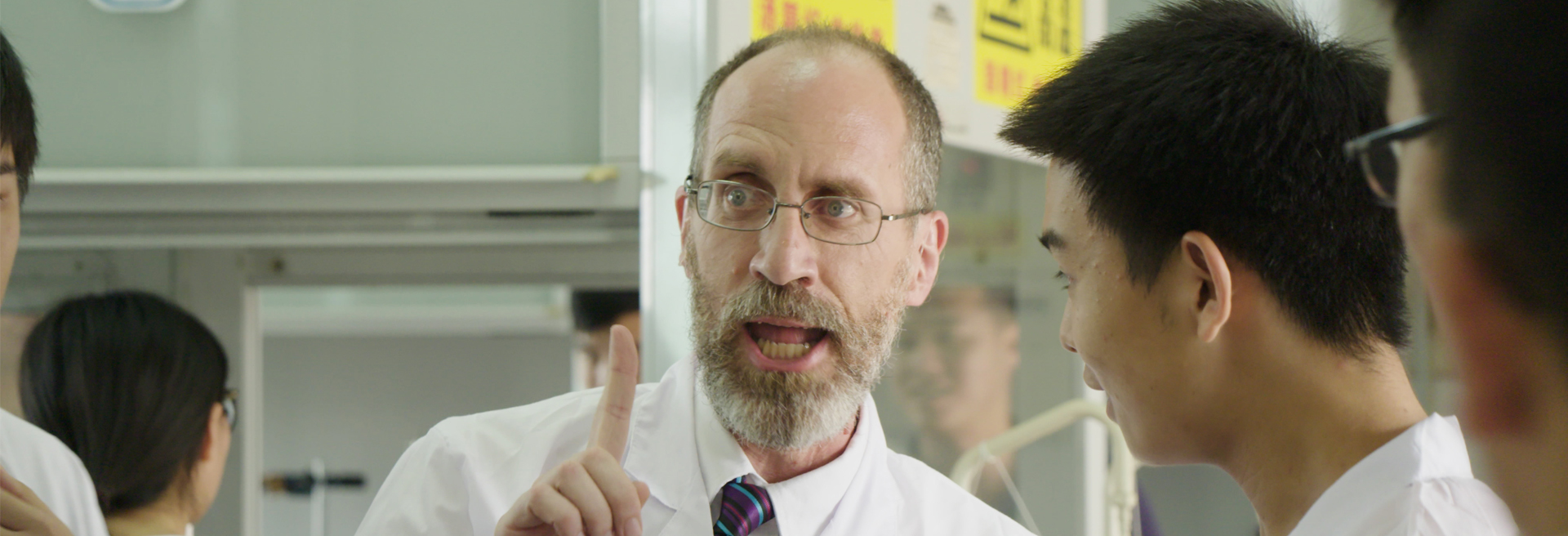
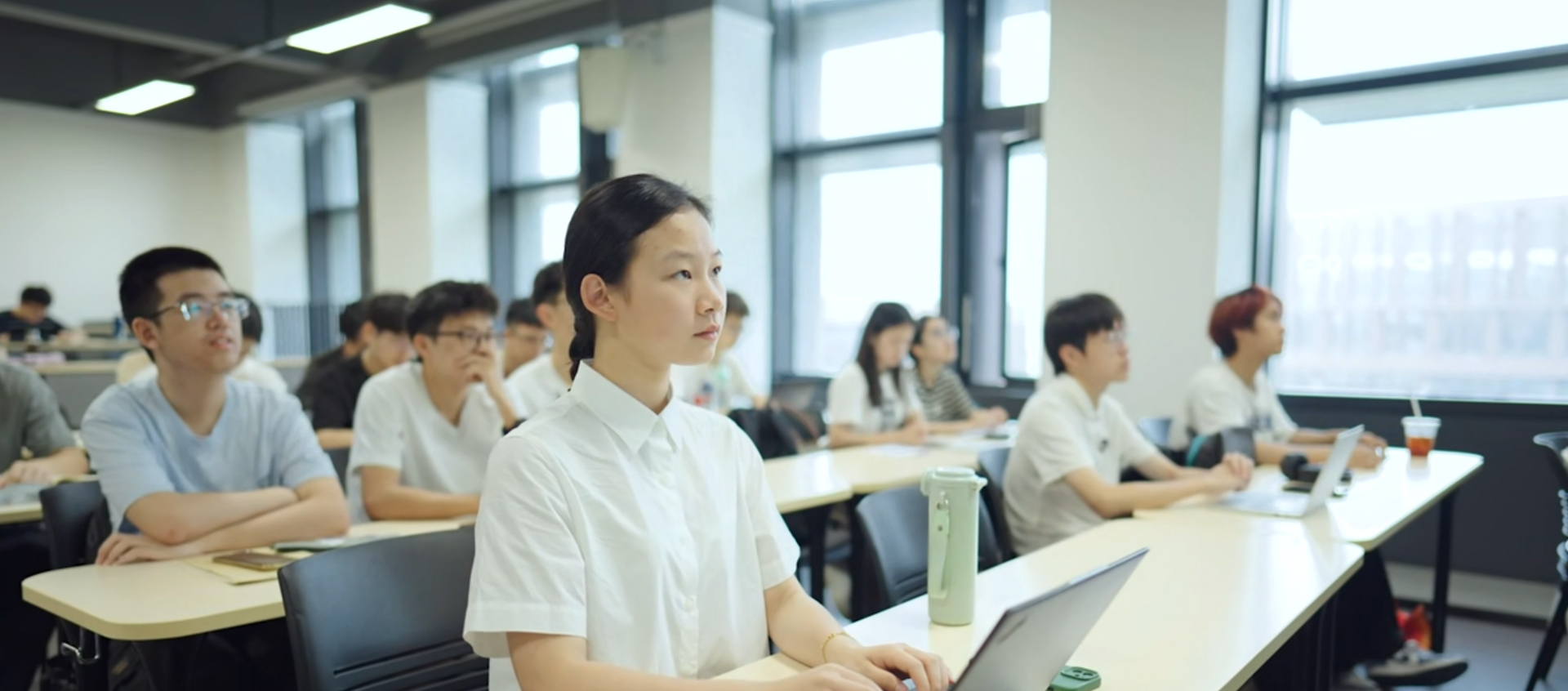
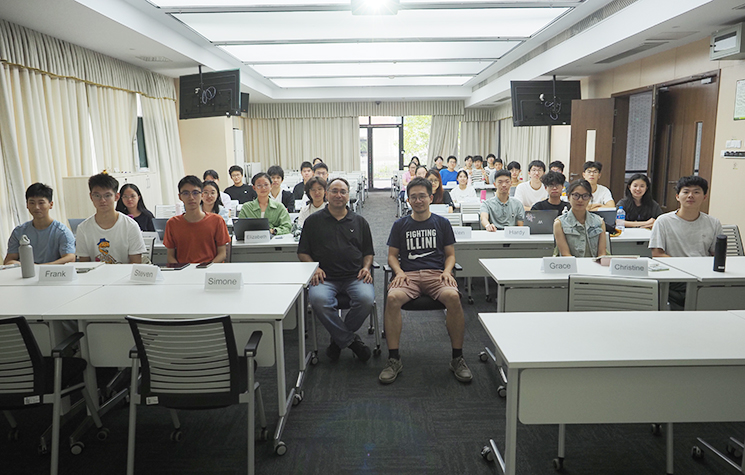
On December 19, the School of Emergent Soft Matter hosted a Soft Matter Lecture featuring two distinguished scholars from the University of Connecticut—Professors Mu Ping Nieh and Jie He. They presented cutting-edge research on self-assembly and catalytic interfaces, offering valuable insights to faculty and students.
From Observation to Design: Functional Nanoplatforms
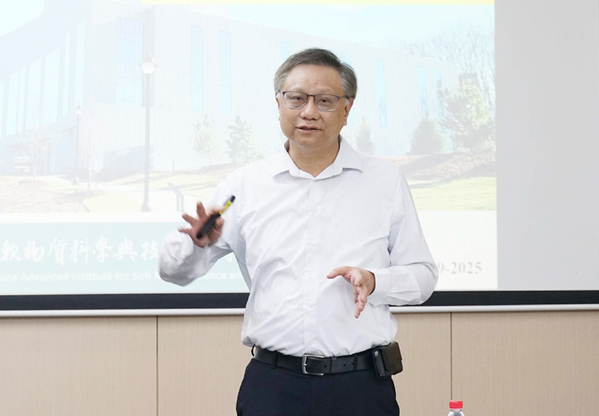
Professor Nieh presented discoidal lipid nanoparticles as a versatile platform, emphasizing the role of precise observation in scientific discovery. Using small-angle X-ray and neutron scattering, his team analyzed nanoparticle structures and demonstrated their potential in drug delivery and anticancer strategies. The talk also covered optimization for cold-chain transport, molecular modeling, and AI-assisted design.
Interface Innovation: Catalysis and Energy Materials
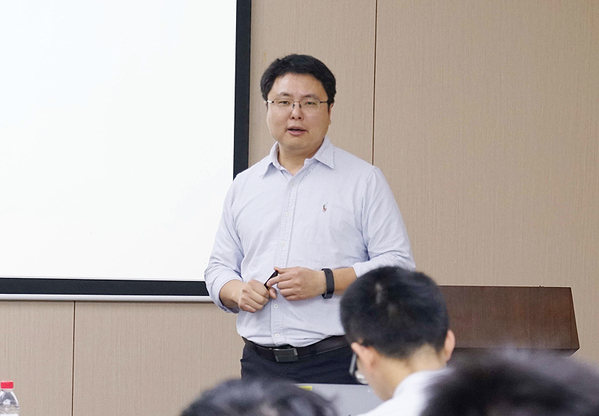
Professor He discussed polymer-functionalized metal nanoparticles, highlighting their role in enhancing catalytic efficiency and enabling green chemistry. His team’s work includes biomimetic catalysis, metal carbene structures, and CO₂ utilization in energy systems. Advanced techniques like surface-enhanced infrared spectroscopy were used to probe interfacial interactions, guiding the design of next-generation materials.
Convergence in Soft Matter Research
Professor Cheng, Dean of the School, noted that both talks, though distinct, centered on interfacial phenomena in nanomaterials. He emphasized the interdisciplinary nature of soft matter and encouraged innovative, application-driven research.
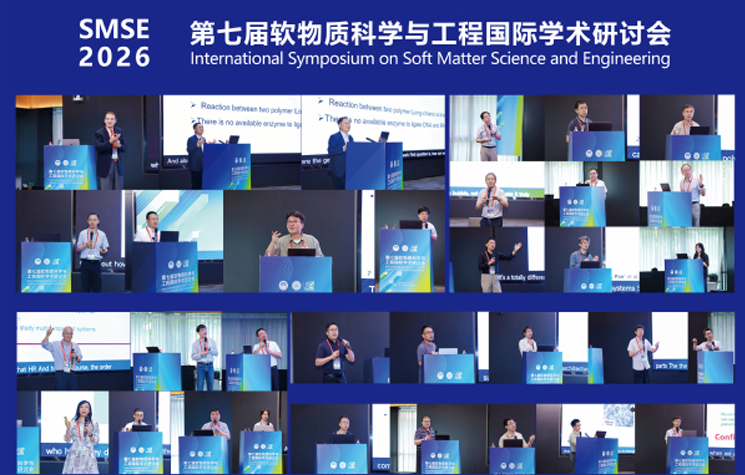
The Soft Matter Forum continues to foster high-level academic exchange and interdisciplinary collaboration.
Guangzhou International Campus: 777 Xingye Avenue East, Panyu District, Guangzhou, 511442
TEL.: +86-20-39381048; +86-20-39381029
© 2025 South China University of Technology. All Rights Reserved.