
From August 16 to 18, 2026, the 5th National Symposium on Chemical Reaction Engineering Teaching and Disciplinary Development in Universities was successfully convened in Guangzhou. This event was sponsored by the Teaching Steering Committee for Chemical Engineering Majors under the Ministry of Education, hosted by South China University of Technology, and financially supported by Kingfa Science and Technology Co., Ltd. Held in the inaugural year of the 15th Five Year Plan and against the backdrop of advancing the Dual Carbon Goals, the symposium centered on the independent cultivation of top tier innovative talents in chemical engineering, bringing together experts and scholars nationwide in chemical engineering education for in depth academic exchanges. Co chaired by Professor Li Yingwei from South China University of Technology and Professor Liang Bin from Sichuan University, the conference drew more than 100 participants, including distinguished scholars of chemical engineering disciplines, national level first class course directors, and industrial specialists from over one hundred universities across China.
The opening ceremony took place on the morning of August 17 at the University Town Central Hotel of South China University of Technology. On behalf of the host institution, Professor Li Yingwei, Dean of the School of Chemistry and Chemical Engineering, delivered a welcome address. He extended warm greetings to all attendees and outlined the university’s achievements in disciplinary development and talent cultivation of chemical engineering. As a member of the Teaching Steering Committee for Chemical Engineering Majors under the Ministry of Education, Professor Liang Zhiwu spoke on behalf of the organizer. He underscored the fundamental role of Chemical Reaction Engineering, a core course for chemical engineering majors, in talent training, and highly appraised the symposium’s contributions to advancing pedagogical innovation and high quality disciplinary progression.
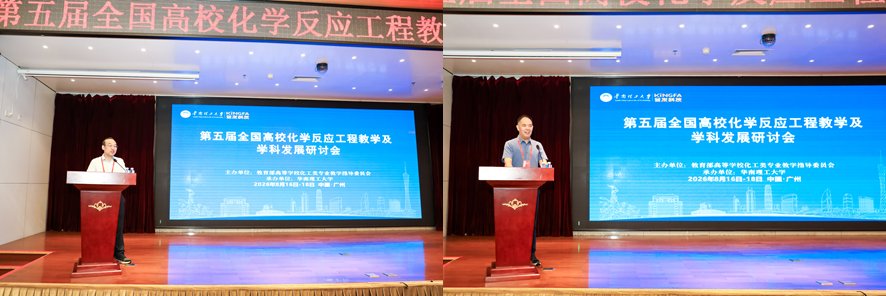
Figure 1 Addresses at the Conference Opening Ceremony
During the plenary keynote session, Professor Zhong Qin from Nanjing University of Science and Technology shared classroom reform practices as a nationally renowned teaching expert in her presentation Weaving Dots into Networks, Empowering Innovation with Technologies: Pedagogical Innovation and Practice for the Course of Chemical Reaction Engineering. Professor Liang Bin from Sichuan University delivered a speech entitled AI + Chemical Engineering: Challenges for Engineering Education, analyzing the transformation pathways of chemical engineering education amid the artificial intelligence revolution. Furthermore, Professor Liu Zuohua from Chongqing University, Professor Nie Yong from Zhejiang University of Technology, and Professor Liu Hui’e from China University of Petroleum (East China) presented reports covering topics such as intensified mixing reactor operations, the construction of intelligent Massive Open Online Courses (MOOCs), and exploratory practices of intelligent course teaching. Their presentations provided replicable paradigms for teaching reform among participants.
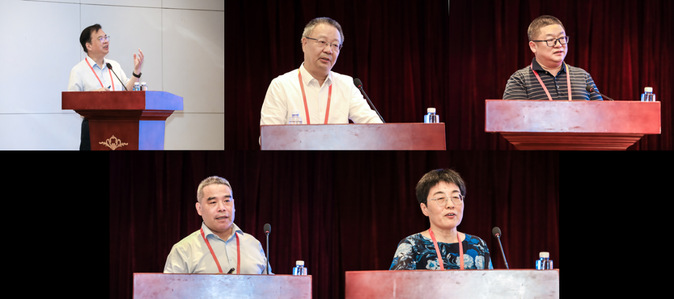
Figure 2 Conference Keynote Presentations
Two parallel sub sessions were set up throughout the conference. Sub session One explored teaching mode innovation and industrial practice. Professor Tang Shengwei from Sichuan University and Professor Zhang Weixin from Hefei University of Technology shared experience in enhancing teaching efficacy and developing innovative teaching modalities. Senior Engineer Jiao Jian from Kingfa Science and Technology presented front line cases concerning research and development and engineering practice of new chemical materials. Associate Professor Xu Yongyan from Zhoukou Normal University illustrated innovative approaches for virtual real integrated experimental teaching as well as the integration of scientific research and education in local universities. Rooted in digital intelligent transformation and the Dual Carbon Goals, Sub session Two witnessed discussions led by Associate Professor Yan Binhang from Tsinghua University, Professor Wu Huadong from Wuhan Institute of Technology and other scholars. Themes included curriculum instruction in the AI era, digital course development, and case oriented teaching under the Dual Carbon strategy, yielding fresh insights into cultivating interdisciplinary talents competent in both chemical engineering and artificial intelligence.
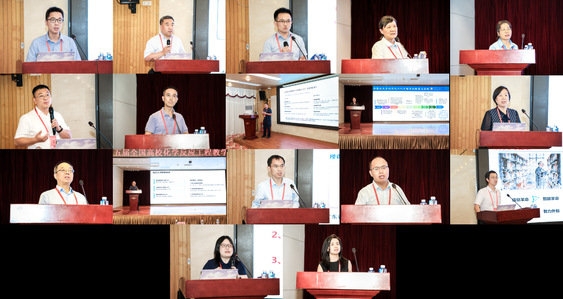
Figure 3 Experts Delivering Presentations in Parallel Sub sessions
A book launch ceremony was held for Principles of Chemical Reaction Engineering, a classic textbook translated under the leadership of Professor Cheng Yi from Tsinghua University. A round table discussion followed, moderated by Mr. Du Jinxiang, Deputy President of Chemical Industry Press. Seven experts, namely Professor Cheng Yi, Professor Liang Bin, Professor Wang Anjie from Dalian University of Technology, Professor Li Jianwei from Beijing University of Chemical Technology, Professor Wu Huadong from Wuhan Institute of Technology, Professor Li Changyan from Inner Mongolia University and Associate Professor Zeng Liang from Tianjin University, conducted thorough dialogues on “Future oriented textbook development for Chemical Reaction Engineering”, putting forward suggestions for the integrated construction of courses and teaching materials.
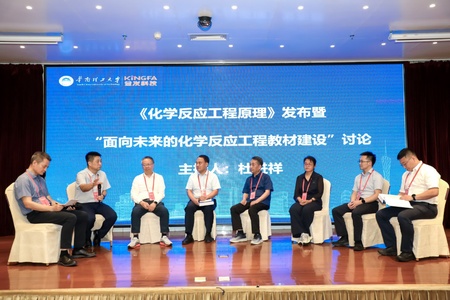
Figure 4 Round table Discussion Session
This symposium served not only as a comprehensive showcase of current teaching outcomes of Chemical Reaction Engineering, but also as a systematic forum for deliberating prospective disciplinary evolution. During the event, participating experts engaged in open discussions over prominent bottlenecks in chemical engineering talent cultivation and feasible implementation pathways for integrating industry and education for the 15th Five Year Plan period. Multiple consensuses were reached: greater efforts will be devoted to translating scientific research achievements into teaching cases, deepening the integration of digital intelligent technologies into chemical engineering instruction, consolidating the collaborative talent cultivation mechanism combining coursework, competitions and research, and nurturing more reserve talents equipped with solid engineering practical capabilities and innovative thinking for the high quality advancement of the chemical industry.
Chemical Reaction Engineering constitutes the foundational knowledge system of chemical engineering disciplines. As one of the core curricula for undergraduate chemical engineering majors in higher education institutions, it is prioritized for development by the Teaching Steering Committee for Chemical Engineering Majors under the Ministry of Education. The committee regularly convenes specialists in curriculum instruction and disciplinary research to host seminars on course development, which have evolved into one of the most influential platforms for pedagogical exchange nationwide.
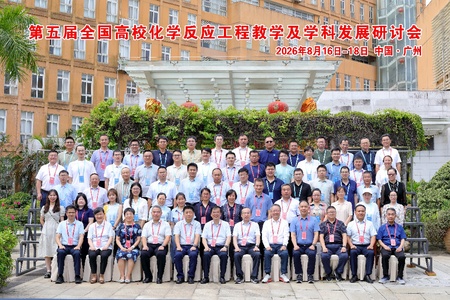
Figure 5 Group Photo of Conference Participants
Text and Photos: School of Chemistry and Chemical Engineering
Preliminary Review: Cao Yonghai
Secondary Review: Yu Hao
Final Review: Huang Guoqing