

Staff
Staff

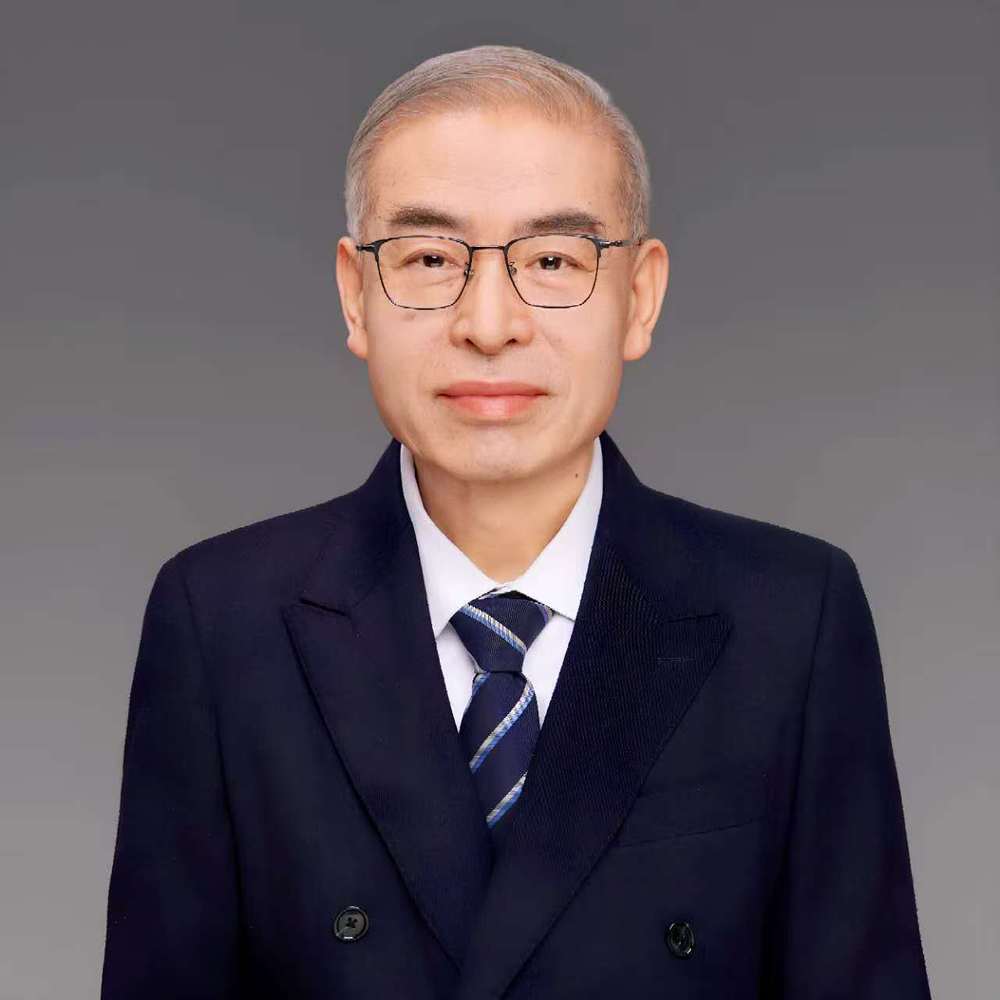
Howard Wang
Position: Professor
Titles: National Distinguished Expert
Email: howardw2025@scut.edu.cn
Marine engineering, offshore engineering, and structural mechanics
Subsea pipeline systems and subsea production systems
Deepwater and Ultra-deepwater riser systems including SCR、LWSCR、TTR、SHR and Flexible risers etc
Flexible pipe, umbilical, and power cable systems
Optimized system design, as well as fatigue and fracture mechanics for pipelines and risers
Vortex-induced vibration (VIV) mitigation for risers and pipelines
Testing and verification methodologies for risers and pipelines
Marine green energy technologies and carbon dioxide capture and storage solutions
Professor Howard Wang graduated from Dalian University of Technology in 1984. He pursued a master’s and doctoral degree at the Institute of Engineering Mechanics of National Earthquake Administration from 1984 to 1991. Subsequently, he completed his postdoctoral research at Tsinghua University and joined the university as an associate professor from 1991 to 1994.
In 1993, he got sponsored by the Alexander von Humboldt Foundation and then worked as a Humboldt scholar at the Technical University of Berlin from 1994 to 1996. He also served in a brief period at the Swiss Federal Institute of Technology in Lausanne in 1995.
From 1996 to 1997, he worked as a research fellow at Nanyang Technological University in Singapore,and from 1997 to 1999, he worked at Washington State University, USA.
Later, he transitioned to the industry and worked as a senior pipeline expert at J P Kenny Inc in the United States from 1999 to 2002. He then joined ExxonMobil as an cooperate expert in marine pipeline and riser systems from 2000 to 2024, where he held the position of principle engineer.
Currently, he is a tenured professor at South China University of Technology, serving since 2026.Professor Howard Wang possesses nearly four decades of extensive professional expertise spanning both academic and industrial domains. His academic pursuits have centered on scientific researchin structural dynamics, engineering mechanics, and the earthquake resistance of engineering structures. These efforts have contributed to advancing knowledge and methodologies within these specialized fields.
In the industrial sector, Professor Wang has dedicated himself to research and practical engineering applications in offshore engineering. His long-standing involvement in this area has enabled him to bridge the gap between the oretical research and real-world engineering challenges.
While serving at ExxonMobil, Professor Wang was a vital member of the engineering project management team, overseeing numerous major deepwater oil and gas projects located in Africa and Guyana. His leadership in these projects underscores his ability to manage complex, large-scale engineering initiatives.
Professor Wang has played an active role in the global offshore engineering community. He has been instrumental in organizing international conferences, such as the Offshore Mechanics and Arctic Engineering (OMAE) conference and the International Society of Offshore and Polar Engineers (ISOPE) conference. Furthermore, he served as a board member for ISOPE, demonstrating his commitment to promoting international collaboration and knowledge exchange within the industry.
His technical contributions are evidenced by his authorship of numerous technical papers and the holding of invention patents in offshore engineering. In addition, Professor Wang has participated in the development of several international standards, reinforcing his influence on industry practices and regulatory frameworks.
Research areas include:
In deepwater and ultra-deepwater development of offshore engineering:
Front-end and detailed engineering for large-scale oil and gas project developments encompass critical technology research, certification, feasibility studies, and the applicationand demonstration of advanced engineering solutions for ultra-deepwater scenarios. Efforts focus on key technology advancements in deepwater pipelines, risers, subsea production systems, flexible pipes, umbilicals, and powercables.
Innovative technologies were developed and certified for risers used in cutting-edge ultra-deepwater (>3000 meters) and ultra-high-pressure (>10,000 psi) oil and gas environments, addressing configuration design, cross-section analysis, full-system evaluation, VIV model testing, design guidelines, and validation of riser analysis tools.
Key research into Steel Catenary Riser (SCR) technologies for Turret FPSO includes feasibility assessments, system configurations, component evaluation, suspension structure design, installation procedures, Inconel welding, and qualification certification for SCR deployment.
System development and certification for flexible risers and umbilicals include robust design and analysis, hose and umbilical verification, comprehensive fatigue testing protocols, establishment of vortex-induced vibration (VIV) analysis methodologies, and subsea high-voltage cable testing and certification.
Engineering advancements and certification efforts for Reeling SCR focus on qualified reel installation, welding procedure development for reel-laid SCR, fatigue testing of weld joints, and acceptance criteria for installation quality.
Research into CALM offshore FPSO crude oil offloading systems involves large-scale hydrodynamic testing in a test basin, the development of analytical methods to process CALM buoy motion data for OLL fatigue analysis, and welding technology innovation and certification for OLL connections.
Industry standards such as API 17J and API 7E revised to reflect these technological advancements.
In other fields:
Innovative development of a new impact protection system for warships docking at piers, including optimized structural system design and analysis, and design of composite timber-steel components for the protection system.
Development of soil-structure interaction analysis methods for underground structural design and analysis, mainly based on boundary element analysis methods.
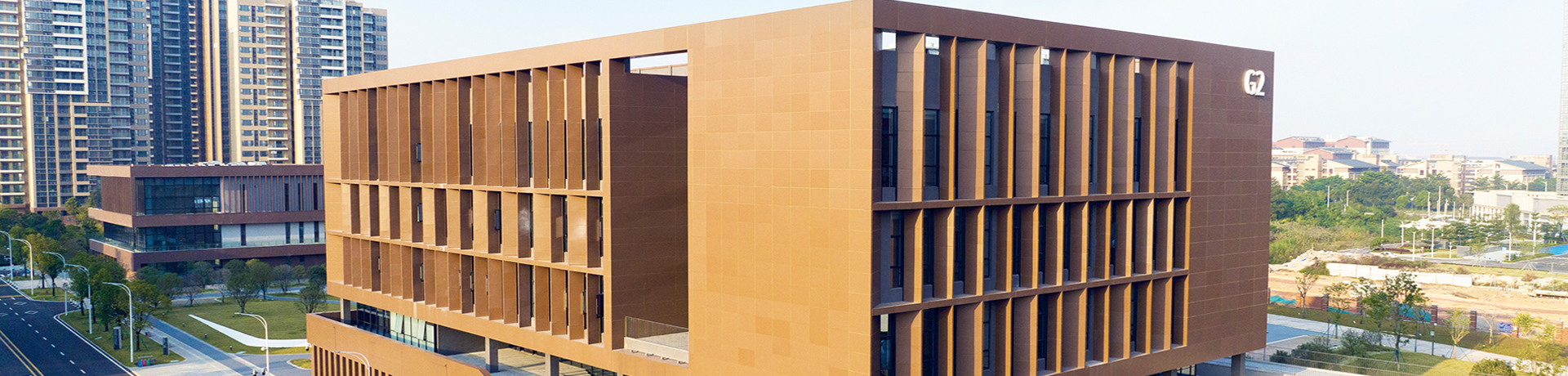
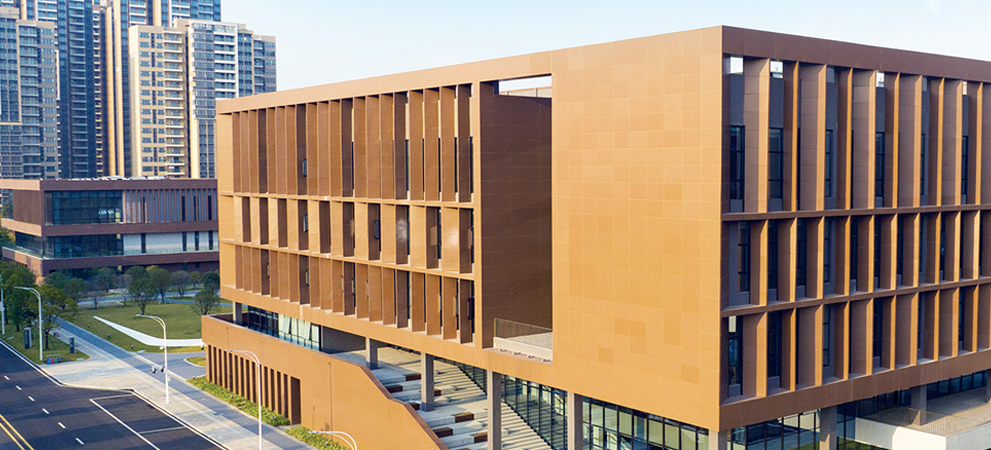
G2 Building, Guangzhou International Campus: 777 Xingye Avenue East, Panyu District, Guangzhou, 511442
Admission Enquiry (Graduate Students): +86-20-81182160
  Email: huangchen@scut.edu.cn
General Administration Enquiry: +86-20-81182150 Email: marineadmin@scut.edu.cn
Admission Enquiry (undergraduate Students) : +86-20-81182155 Email: liur@sut.edu.cn
Human Resources Enquiry: +86-20-81182153 Email: zhujunjiejac@scut.edu.cn
© 2024 South China University of Technology. All Rights Reserved.
