

NEWS & EVENTS

Speaker: Professor Nigel Slater, Emeritus Professor of Chemical Engineering at the University of Cambridge
Time: Tuesday, December 9 8:00 p.m. - 9:00 p.m.
Tencent Meeting: 387-253-295
Abstract
In this lecture, Professor Nigel Slater will explain what these valuable biopharmaceuticals are and the diseases they treat. He will discuss why they are incredibly potent and highly complex molecules. The lecture will also explore the critical challenges in their development and manufacturing that ensure these medicines are safe, effective, and reliable. Finally, he will look at one class of drugs that are currently at the forefront of development in China, Antibody-Drug Conjugates, and the challenges researchers face in designing and optimizing these powerful medicines.
This lecture aims to help students gain a deep understanding of the scientific principles and cutting-edge advances in biopharmaceuticals, recognize the interdisciplinary integration of life sciences, bioengineering, and clinical medicine, and reflect on how technological innovation in the AI era can drive sustained breakthroughs in the life sciences. By presenting an interdisciplinary perspective and sharing frontier findings, the lecture will provide academic inspiration and an international outlook for students who aspire to careers in life sciences, biopharmaceuticals, and pharmaceutical innovation.
Biography
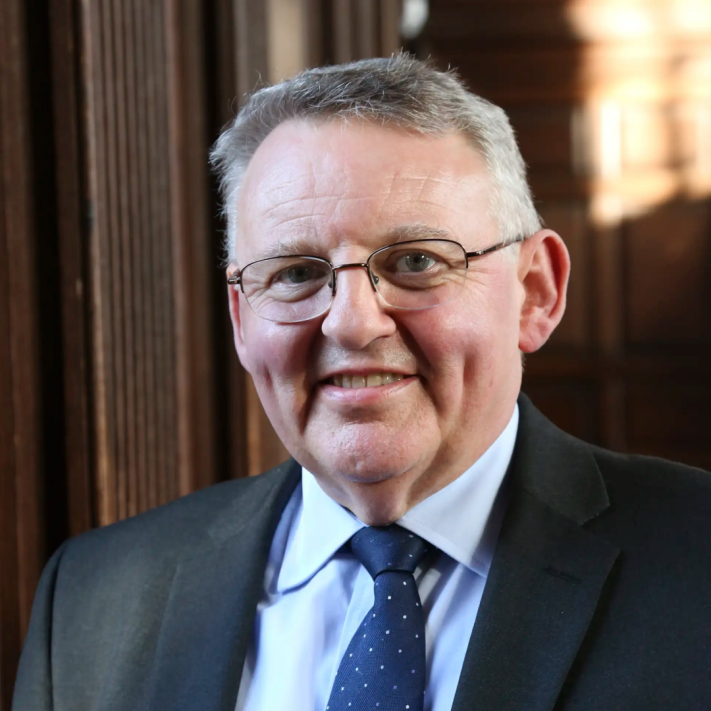
Nigel Slater is an Emeritus Professor of Chemical Engineering at the University of Cambridge, where he served as former Pro-Vice Chancellor, Head of Fitzwilliam College, and Director of the Department of Chemical Engineering and Biotechnology. He is a Fellow of the Royal Academy of Engineering and a member of the Institution of Chemical Engineers, having been honored with the Donald Medal from the latter.
Professor Slater’s research has focused on the manufacturing and formulation of biopharmaceuticals, particularly in cell and gene therapy. He has also authored over 200 articles in scientific journals and is recognized for his innovative contributions to chromatographic separation techniques, biomedical engineering, and industrial chemistry and materials science. His work has provided groundbreaking solutions to critical challenges in biopharmaceutical production, fostering a significant integration of medical and engineering technologies.
Beyond theoretical research, Professor Slater has made notable strides in translational science. In 1985, he led the Bioprocessing Section at Unilever's research laboratories in the Netherlands. He later joined Wellcome Biotech to lead the process design for their WelGen (later BWMI) interferon manufacturing plant in Rhode Island (US) and process development for the Campath-1H antibody.
Additionally, Professor Slater is the Qiushi Professor of Chemical Engineering at the University of Zhejiang and holds the title of Honorary Professor at the West China School of Pharmacy at Sichuan University. He plays an essential role in fostering academic exchange and collaboration between the UK and China in the biomedicine sector.
For Collaborations, Tel: +86-20-81181636/1631 Email: global@scut.edu.cn
For Study at SCUT, Tel: +86-20-81182580/2585 Email: sieinfo@scut.edu.cn
For Jobs, please click https://www2.scut.edu.cn/gzic_en/2025/0820/c44854a599684/page.htm
to find job vacancies.


2018 © Guangzhou International Campus, SCUT. All Rights Reserved