


关于举行“GZIC平台共享行”宣讲活动的通知
Announcement on the GZIC Platforms Sharing Promotion Seminar
来源:华南理工大学广州国际校区 发布时间:2026-06-08

广大师生、校友和企业科研人员:
在广东省、广州市的大力支持下,广州国际校区推进建设7大学科公共平台。为使广大师生、校友和企业科研人员更全面了解校区建设平台,学校将持续组织开展“GZIC平台共享行”宣讲活动,以平台共享开放为窗口,服务支撑广大师生和校友科研与合作。
本次宣讲采用实地参观交流的方式,深入了解海洋科学与工程学院相关设备类型、功能介绍、开放模式、合作机制及预约使用流程等。
具体安排如下:
参访海洋科学与工程学院学科创新平台(限40人)
(一)时间:2026年6月11日10:00-12:00
(二)地点:广州国际校区G2一楼
(三)主讲人:申志超海洋科学与工程学院教授
诚邀广大师生、校友和相关领域企业科研人员踊跃报名参加!为便于我们充分准备,请于6月10日12:00前扫描以下活动二维码报名。期待与您深入交流并展开广泛合作!
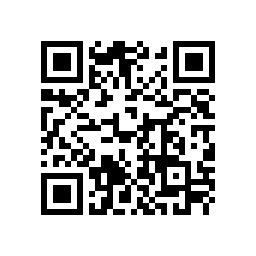
如有疑问,请联系广州国际校区人力资源与发展事务办公室秦鹏,办公电话:020-81181612
广州国际校区人力资源与发展事务办公室
海洋科学与工程学院
2026年6月8日
海洋科学与工程学院学科创新平台简介:
学院学科创新平台实验室始建于2022年,学院锚定海洋强国、能源强国、制造强国三大国家战略,重点推进深海油气开发、深海采矿、海底数据中心、海洋新材料、海上风电、海洋智能装备等科研方向的研究和技术革新。目前已建创新平台实验室包含:海洋水动力实验室、海洋新型材料及结构实验室、海洋岩土工程实验室、风能实验室、多功能振动测试平台实验室等。
目前,学科创新平台可为相关人才团队在海洋资源开发及智慧运维、海上风电工程与智能海洋装备、海洋工程动力环境与海洋可再生能源、水网感知与智能调控、数字孪生水利、水工程智能建设与运维等方面研究提供实验保障和研究基础。平台支持的研究方向主要包括:海洋结构工程、海上结构可靠性设计与优化、材料力学、结构力学、水动力学、流体力学、流体/结构/地基相互作用、流动稳定性与流动控制、海洋牧场、海底浊流演化模拟及致灾机理、海洋结构现场监测、数字孪生技术、浮式平台结构设计、海洋管缆结构分析、海洋管缆水动力及失效机理、海洋岩土工程、岩土工程可靠度分析、颗粒细观结构研究、水平轴风机尾流性能研究、尾流实验研究、风场布局优化研究、风机功率预测研究、水动力过程及生态环境效应、海洋环境震动实验研究等。
Dear Researchers, Alumni, and Corporate Researchers,
With strong support from the governments of Guangdong province and Guangzhou municipality, Guangzhou International Campus has been actively promoting the establishment of seven major interdisciplinary public platforms. To provide faculty, students and other researchers with a comprehensive understanding of the platforms, the University will continue to host the “GZIC Platforms Sharing Promotion” seminar series. These sessions serve as a window to facilitate open access to shared resources and support collaborative research and development.
This seminar will be conducted in the form of an on-site visit and exchange, offering an in-depth introduction to the types and functions of available equipment, modes of access, cooperation mechanisms, and procedures for booking and use of the platform under School of Marine Science and Engineering.
Visit to the Discipline Innovation Platform of School of Marine Science and Engineering (Maximum 40 Participants)
Date and Time: 10:00-12:00, June 11, 2026
Venue: First floor of Building G2, School of Marine Science and Engineering, Guangzhou International Campus
Speaker: Zhichao SHEN, Professor of School of Marine Science and Engineering
We sincerely invite all faculty, researchers and alumni to attend this session. We look forward to engaging discussions and broad collaboration with you! To help us prepare adequately, please scan the QR code below and register by 12:00 on June 10.
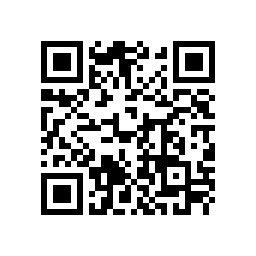
For any questions, you could contact Peng QIN from Office of Human Resources and Academic Planning, via the office phone number 020-81181612.
Office of Human Resources and Academic Planning, Guangzhou International Campus
School of Marine Science and Engineering
June 8, 2026
Introduction to the Discipline Innovation Platform of the School of Marine Science and Engineering
The Discipline Innovation Platform was established in 2022 and has been continuously improved ever since. Aligned with the three national strategies of becoming a strong maritime power, a strong energy power, and a strong manufacturing power, the college focuses on promoting research and technological innovation in scientific research directions such as deep-sea oil and gas development, deep-sea mining, submarine data centers, marine new materials, offshore wind power, and marine intelligent equipment.
Under the platform, laboratories currently established include: Marine Hydrodynamics Laboratory, Marine Novel Materials and Structures Laboratory, Marine Geotechnical Engineering Laboratory, Wind Energy Laboratory, Multi-functional Vibration Testing Platform Laboratory, etc. Currently, the platform can provide experimental support and research foundation for the development of key disciplines such as marine resource development and intelligent operation and maintenance, offshore wind power engineering and intelligent marine equipment, marine engineering power environment and marine renewable energy, water network perception and intelligent regulation, digital twin water conservancy, and intelligent construction and operation and maintenance of water projects. The research directions that can be supported by the Platform mainly include: offshore structural engineering, reliability design and optimization of offshore structures, material mechanics, structural mechanics, hydrodynamics, fluid mechanics, fluid/structure/foundation interaction, flow stability and flow control, marine ranching, simulation of submarine turbidite evolution and disaster-causing mechanism, on-site monitoring of offshore structures, digital twin technology, design of floating platform structures, analysis of offshore pipeline structures, hydrodynamics and failure mechanism of offshore pipelines, marine geotechnical engineering, reliability analysis of geotechnical engineering, research on particle mesostructure, research on wake performance of horizontal-axis wind turbines, experimental research on wake, research on wind farm layout optimization, research on wind turbine power prediction, hydrodynamic processes and ecological environmental effects, and experimental research on marine environmental vibration.

