Frontier Dialogue! Imperial College Professor Peter Childs Visits School of Design, South China University of Technology, to Decode the Future Survival Landscape of 2050
发布时间:2025.12.23
PREVIEW
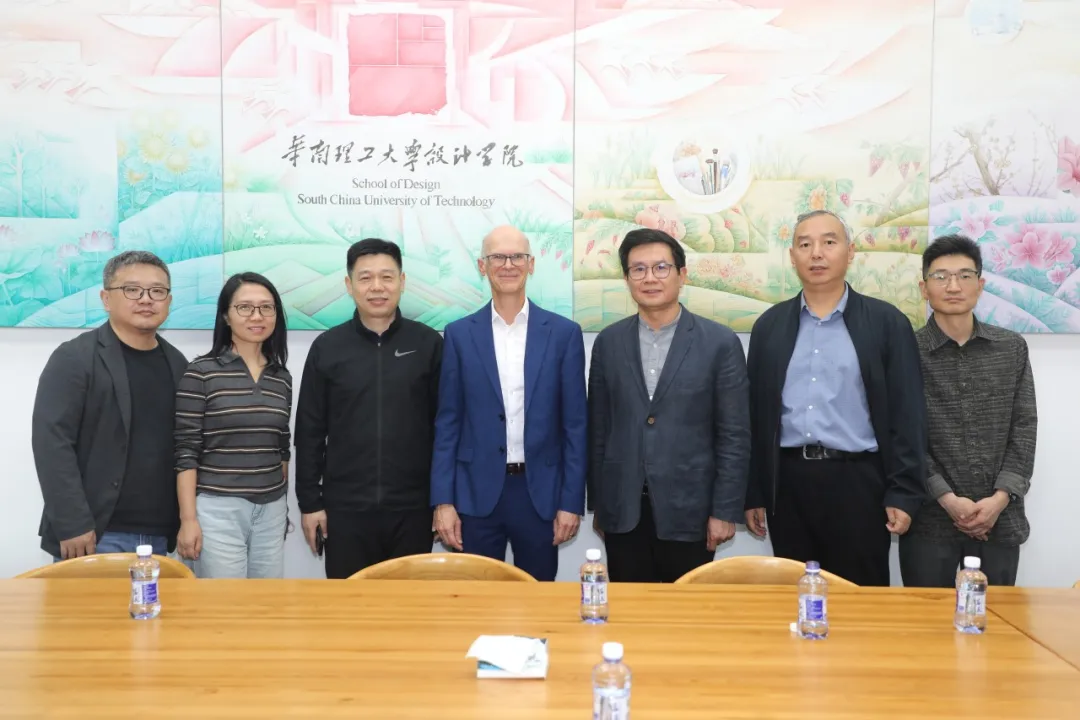
When “the future” ceases to be a sci-fi fantasy and becomes a tangible, designable reality, how should we respond? Recently, Professor Peter Childs from Imperial College London's Dyson School of Design and Engineering visited the School of Design at South China University of Technology. Delivering a lecture titled “The Future: Scenarios, Options and Agency”, he presented a profound exploration spanning design, technology, society, and ecology. Through real-world case studies and hard-hitting predictions, he opened a window to the year 2050 for the faculty and students in attendance.
01 From “Sponge Cities” to “Future Aircraft”:
Design is the Core Tool for Tackling Challenges
At the outset of his lecture, Professor Peter demonstrated the formidable power of design thinking through examples of cross-disciplinary practice. He mentioned that his team had collaborated with renowned architects behind the “sponge city” concept, employing resilient urban design principles to provide solutions for addressing climate change and enhancing cities' risk resilience. This approach of integrating ecological needs with urban planning represents the core direction for future design.
Looking back at the “Future Aircraft” project 15 years ago, the professor further highlighted the power of collaborative innovation: 40 students teamed up with 40 researchers and art professionals from Imperial College London to generate hundreds of ideas, nearly 100 of which were ultimately integrated into the Airbus A350 aircraft. Today, the A350 has completed over 500 million transcontinental flights, proving that “student ideas can indeed shape industries”.
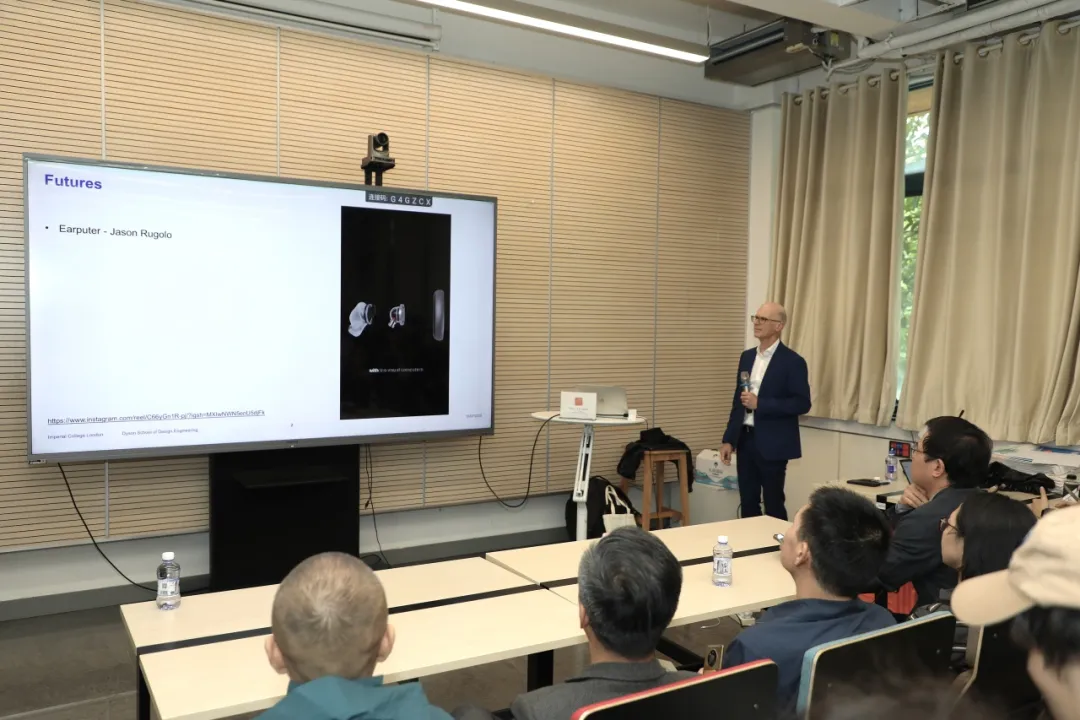
Facing the convergence of new energy and aviation technology, he also addressed challenges in R&D: five years ago while exploring “battery-powered aircraft”, the team had to redesign the airframe due to battery weight constraints, even developing new lightweight materials. Hydrogen, as a future aviation fuel, holds immense potential yet still faces technical hurdles. These experiences point to one conclusion: future technological breakthroughs will require deep integration between design and engineering.
02 Key Predictions for 2050: Disruptive Changes in AI, Population, Healthcare, and Space
In the “Future Scenarios” segment, Professor Peter presented a series of groundbreaking predictions spanning education, demographics, healthcare, space exploration, and other fields, sparking deep reflection among the entire audience.
Education: AI Transforms from “Tool” to “Driver”
The professor noted that education is undergoing unprecedented transformation: “super teachers” (a single course reaching millions of learners) are gradually emerging, and some classrooms have already adopted the “teacher-assisted AI system” model. Over the next 25 years, AI will cease to be merely an auxiliary tool and instead become the core force driving the restructuring of educational models. Personalized learning and human-machine collaborative teaching will become the norm.
Population: The Cappuccino Effect Triggers Global Demographic Shifts
When people begin to enjoy life and pursue quality consumption—such as buying a good cup of coffee—their desire to have children declines accordingly. The professor refers to this phenomenon as the “Cappuccino Effect”. He predicts that global population growth will slow or even experience a “demographic collapse”: Italy's population could drop from 50 million to 30 million over the next 15 years, while China will also face challenges of population stabilization and adjustment. Robotic automation, such as care robots, will become a crucial means to address labor shortages.
Healthcare: Gene Editing and Anti-Aging Emerge as Core Competitive Areas
Breakthroughs in the medical field are equally anticipated: CRISPR 2.0 gene editing technology will become safer and more precise, enabling treatments for genetic disorders like sickle cell anemia and cystic fibrosis; epigenetic editing technology can address diseases such as cancer and diabetes without altering DNA; and the “anti-aging” industry is projected to become one of the world's largest by 2050, as demand for “healthy longevity” drives explosive growth in related technologies.
Space: From “Tourism” to “Multiplanetary Survival”
Space exploration is no longer the exclusive domain of aerospace agencies: By 2027, the first luxury orbital hotel, “Voyager Station”, will be operational, while suborbital flight programs from Blue Origin and Virgin Galactic will make “space tourism” more accessible. SpaceX's Starship program further plans to launch 1,000 spacecraft annually, each capable of carrying 18 people, paving the way for future “multi-planetary survival”. The professor specifically noted that China has achieved world-leading status in aerospace technology and will play a pivotal role in future space exploration.
|
|
|
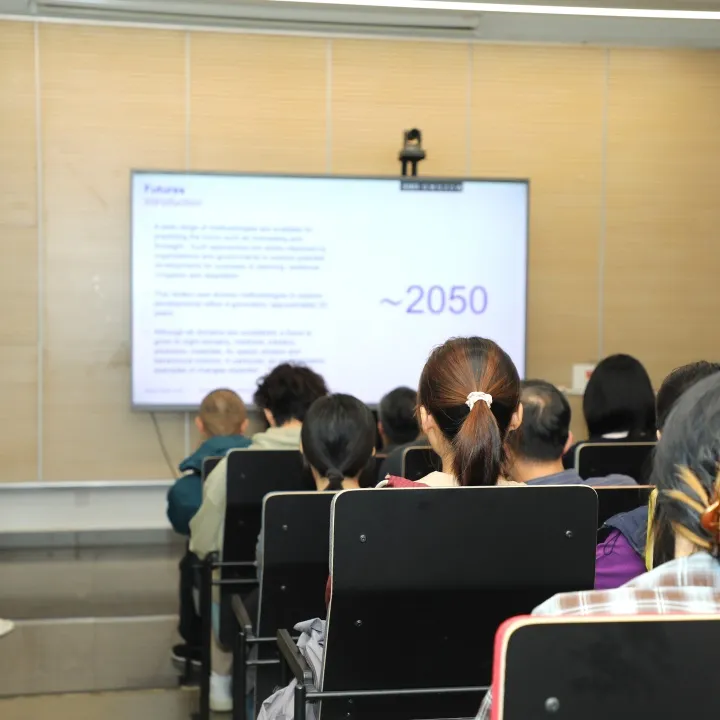
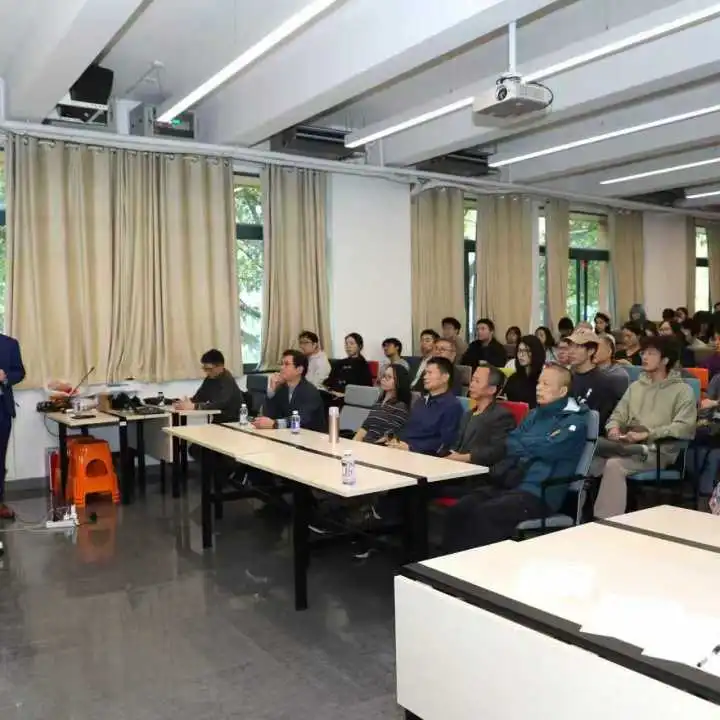
03 Interactive Q&A: How Can Designers Maintain “Proactivity” in the AI Era?
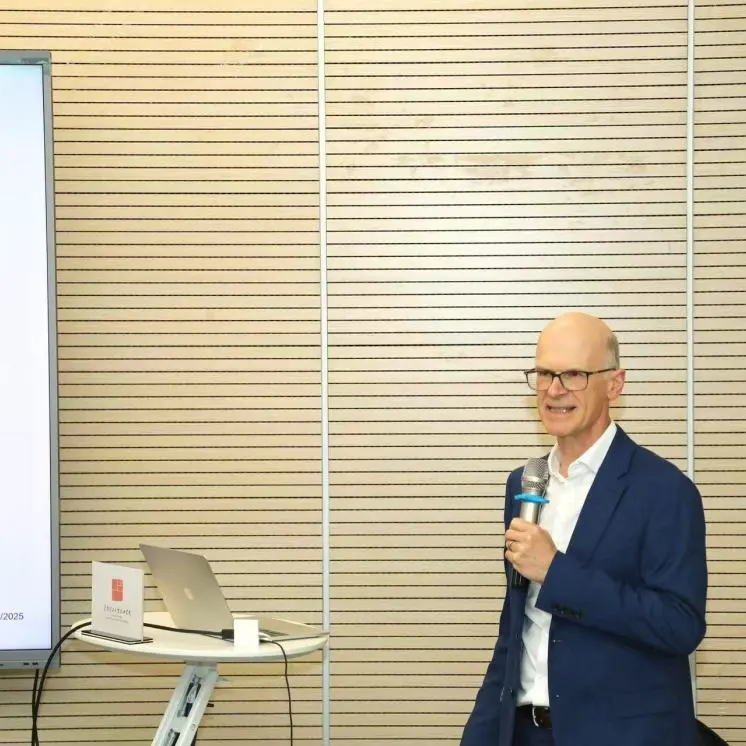
During the interactive session at the end of the lecture, faculty and students engaged in a lively discussion on “Integrating AI with Professional Practice”. One student posed the question: “While AI can assist in design, there remains a gap between ‘translating requirements’ and ‘implementing functionality.’ How should interaction designers address this?”.
Professor Peter offered this advice: “Core skills will always be the designer's anchor”. He cited his own teaching at Imperial College as an example: while introducing AI tools like AI design software in Week 3, he still requires students to practice ‘sketching’, because sketches are crucial for “transforming vague ideas into concrete solutions”, and represent the core ability designers need to steer direction and guide AI.
“Iterative thinking is equally important”. He mentioned that the team first converts AI-generated ideas into sketches, then refines them repeatedly using design tools, making AI an “accelerator of innovation” rather than a “decision-maker”. He encouraged designers: “AI shortens the time from concept to implementation, but tasks like ‘understanding user needs’ and ‘optimizing interaction experiences’ still require human leadership—this is precisely where designers' value lies”.
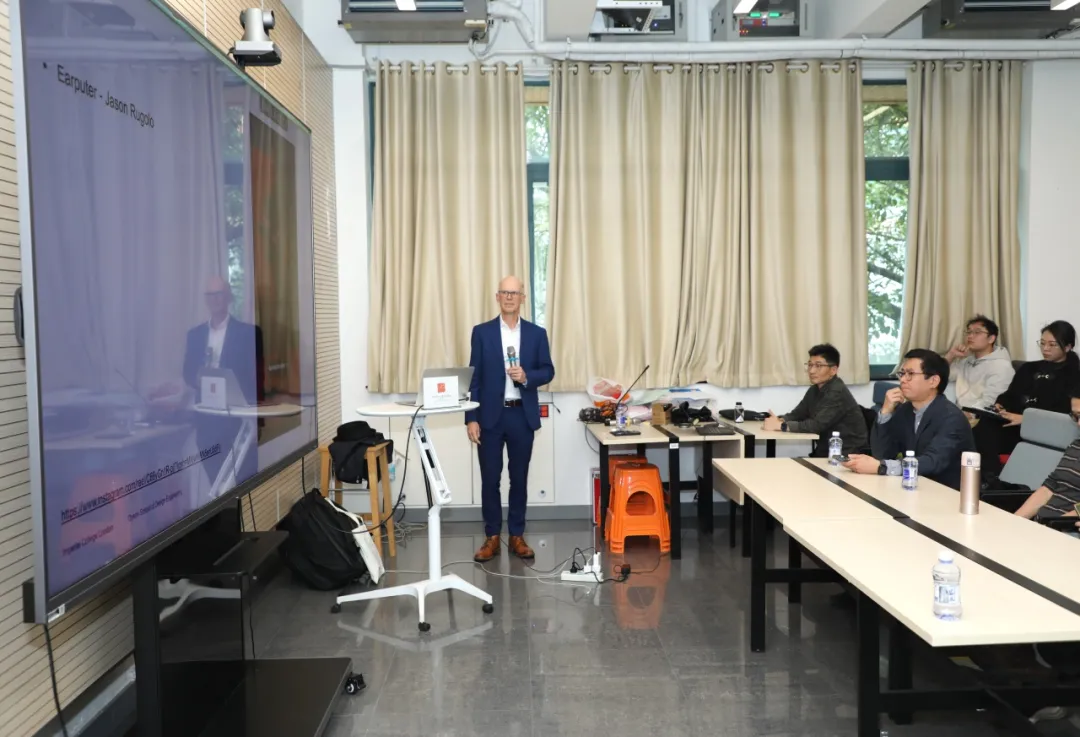
This lecture is not merely a transmission of cutting-edge knowledge, but an enlightenment in “future thinking”. From design practice to global trends, from technological breakthroughs to humanistic reflection, Professor Peter Childs reveals through diverse perspectives that the future is not a predetermined “destiny”, but a ‘possibility’ shaped by our creativity, choices, and actions. For every designer and researcher, maintaining curiosity about the world, grounding oneself in core competencies, and embracing cross-disciplinary collaboration are essential to wielding true “agency” amid future transformations.