
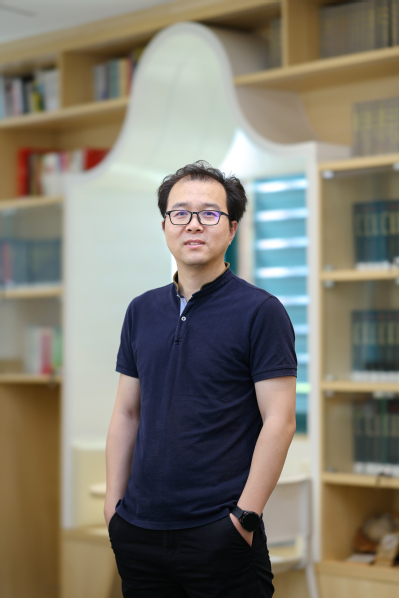
崔庆明
崔庆明(Qingming Cui),博士,副教授(Associate Professor),博士生导师
办公室:B10-文旅楼308(B10-whitebuilding 308)
邮箱(Email):cuiqingming@scut.edu.cn
一、个人简介(Introduction)
我在中山大学旅游学院完成本科和博士学习,期间获得国家留学基金委资助,以联合培养博士生身份在曼彻斯特大学社会学系学习一年。博士毕业后,曾分别在中山大学和华南师范大学工作。我的主要研究方向为野生动物旅游,生态旅游,乡村旅游,康养旅游,旅游可持续发展。我致力于用社会理论视角审视旅游情境中人与自然/野生动物关系,以促进人与自然和谐共生。大象旅游、灵长类旅游和保护地旅游是我的关注重点。作为客座编辑,我在《Tourist Studies》、《中国生态旅游》主编动物旅游相关特辑。目前担任《Tourism Geographies》、《Journal of Hospitality Management & Marketing》、《Journal of China Tourism Research》编委。已主持1项国家自然科学基金青年项目,1项教育部人文社科项目,2项广东省自然科学基金,发表论文多篇。我是自然爱好者,喜欢观鸟、徒步。
二、研究领域(Researchfield)
旅游可持续发展,乡村旅游,生态旅游,野生动物旅游,旅游社会理论
招生:欢迎对上述研究领域感兴趣的同学报考本人的硕士和博士研究生(请提前咨询名额)。
长期招聘合作博士后。
三、主授课程(Courses)
数字生态旅游(Ecotourism);旅游研究方法(Research Methods in Tourism)
四、教育背景(Education)
2010.09-2016.06 中山大学旅游学院(硕博连读,管理学博士)
2015.01-2016.01 英国曼彻斯特大学社会学系(社会学,联合培养博士生)
2006.09-2010.09 中山大学旅游学院(管理学学士)
五、工作经历(Experience)
2023.03至今 华南理工大学,旅游管理系,副教授
2019.09-2022.11 华南师范大学,旅游管理学院,特聘研究员
2016.07-2019.07 中山大学,旅游学院,特聘副研究员
六、科研项目(ResearchProjects)
[1] 主持,广东省社科联青年学术工作坊,文旅融合与乡村振兴跨学科研究,2025GZF03, 2025.08-2026.03. [优秀等级结题]
[2] 主持,广东省教育厅广东省普通高校重点领域专项(服务“百千万工程”),数字技术促进保护地乡村旅游小企业韧性提升路径研究,2024ZDZX4004,2024.08-2026.08.[在研]
[3] 主持,广州市科技局基础与应用基础研究青年博士“启航”项目,国家公园自然教育的本土化路径研究,SL2023A04J00754,2024.01-2025.12.[结项]
[4] 主持,教育部人文社会科学规划基金项目,旅游促进国家公园社区与野生动物共生机制研究,23YJAZH020,2024.01-2026.12.[在研]
[5] 主持,广东省自然科学基金面上项目,野生动物旅游者具身体验及其对环境意识的影响机制研究,2023A1515012786,2023.01-2025.12. [在研]
[6] 主持,国家自然科学基金青年项目,基于空间正义的野生动物保护地旅游生态补偿机制研究,41901161,2020.01-2022.12. [结题]
[7] 主持,广东省自然科学基金博士启动纵向协同项目,生态旅游景区中游客与野生动物的互动模式及其影响因素研究,2018A030310252,2018.5-2021.4. [结题]
[8] 主持,2017年度高校基本科研业务费中山大学青年教师培育项目,基于动物伦理视角的中国野生动物旅游可持续发展研究,17wkpy46,2017.1-2019.12. [结题]
七、期刊论文(Journal articles)
[1] Cui,Q.,& Zhang, Z. (2026). Tourism mitigating human–wildlife conflict in protected areas: a “justice of space” perspective, Tourism Geographies, online first.
[2] 崔庆明, 张博, 徐红罡. 基于情感分析的中国旅游地人与野生动物互动研究: 以人猴冲突为例[J].旅游学刊, 2025,网络首发.
[3] Zhang, Z., & Cui, Q*. (2026). Tourism and human-elephant conflict in China: An embodied approach to coexistence. Tourist Studies, 26(3): 324-345.
[4] Cui, Q., & Ong, C E. (2026). Editorial: Thewild,thecuteandthetoured: MultispeciesethnographyfortourisminChina. Tourist Studies, 26(3): 271–275.
[5] 杨雪珂, 崔庆明*, 徐红罡. (2026). 困境中的旅游绅士化: 乡村性与多元绅士化的相互作用. 旅游学刊, 41(4): 55-67.
[6] 黄雪梅, 崔庆明*. 微量元素疗愈性景观的生成机制研究—以富硒温泉康养旅游为例. 干旱区资源与环境, 40(7), 165-175.
[7] 崔庆明, 兰沣, 张子彧. (2025). 人与野生动物冲突研究进展——基于 CiteSpace 的文献计量分析. 自然保护地,5(1):29-51.
[8] 崔庆明, 徐红罡. (2024). 朝向对称性旅游研究. 旅游学刊, 39(8), 3-6.
[9] Wang, K., Cui, Q., * & Xu, H. (2024). Sensory therapeutic assemblages in tourism: Qi and the health of snowbirds in China. Annals of Tourism Research, 105, 103727. (ESI高被引)
[10] 崔庆明. (2023). 从冲突到和谐:非人类能动性与野象谷人象关系生产.广西民族大学学报 (哲学社会科学版), 45(5), 97-106.
[11] Cui, Q., Lin, G., Qiu, S., & Duan, T. (2023). Identifying the Drivers of Food Waste in University Canteens in China: A Qualitative Approach.Sage Open, 1-12. (SSCI, Q2).
[12] Huang, X., Cui, Q., * & Chen, Z. (2023). Couchsurfing in China: Guanxi networks and trust building. Tourist Studies, 23(1), 44-61. (SSCI, Q3)
[13] Yuan, M., Xu, H., & Cui, Q. (2022). Gendered mobilities of cycle-touring women in Hainan, China. Gender, Place & Culture, 1-21. (SSCI)
[14] 崔庆明,徐红罡. (2022). 国家公园、生态旅游与自然的超越性.旅游论坛, 15(2): 23-34.
[15] Lin, J., Cui, Q.,* Xu, H., & Guia, J. (2022). Health andlocal food consumption in cross-cultural tourism mobility: an assemblage approach. Tourism Geographies, 24(6-7), 1103-1122. (SSCI, Q1)
[16] Lin, J., Cui, Q.,* & Xu, H. (2022). Beyond novelty–familiaritydualism: The food consumption spectrum of Chinese outbound tourists. Journal of China Tourism Research, DOI: 10.1080/19388160.2022.2049942.
[17] 汲忠娟,徐红罡,崔庆明. (2022). 旅游空间正义的实践路径:基于西藏自治区的案例研究.旅游导刊,6(02):26-42.
[18] Ji, Z., Xu, H., Cui, Q., & Yang, P. (2022). Nationaltourism standards and local practices: Based on the experience of Tibet, China. Journal of China Tourism Research. DOI: 10.1080/19388160.2021.2023061.
[19] Ji, Z., Xu, H., & Cui, Q. (2022). Tourism and povertyalleviation in Tibet, China: the role of government in enhancing local linkages. Asia Pacific Journal of Tourism Research, 27(2), 173-191. (SSCI)
[20] 崔庆明. (2021).旅游能缓解保护地人与野生动物冲突吗?中国生态旅游, 11(5), 663-675.
[21] Huang, X., Lin, S., & Cui, Q*. (2021). From “villages of longevity” to “villages of cancer”? The emotional geography of tourism development in Bama, China. Emotion, Space and Society, 40, 100813. (SSCI, Q2)
[22] Cui, Q., Ren, Y., & Xu, H. (2021). The escalating effects of wildlife tourism on human–wildlife conflict. Animals, 11(5), 1378. (SCIE, Q1)
[23] Cui, Q., & Xu, H. (2020). Monkey and the mandate of heaven: Rethinking the social construction of nature in ecotourism. Tourism Critiques: Practice and Theory, 1(1), 21-34.
[24] Lin, J., Guia Julve, J., Xu, H., & Cui, Q. (2020). Food habits and tourist food consumption: an exploratory study on dining behaviours of Chinese outbound tourists in Spain. Journal of Policy Research in Tourism, Leisure and Events, 12(1), 82-99.
[25] 崔庆明. (2019). 野生动物旅游开发的空间矛盾.旅游规划与设计, 32, 20-27.
[26] Cui, Q., & Xu, H. (2019). Situating animal ethics in Thai elephant tourism. Asia Pacific Viewpoint, 60(3), 267-279. (SSCI, Q2).
[27] 崔庆明,徐红罡. (2019). 反思生态旅游中自然的社会建构.旅游导刊, 3(4), 15-29.
[28] LinJ., Cui, Q.,* Marin, J., Xu, H. (2019). Distinction and omnivorousness in tourists’ food consumption. International Journal of Hospitality Management, 83, 95-102.(SSCI, Q1).
[29] Dai, S., Cui, Q.,* & Xu, H. (2018). The Resilience Capabilities of Yumcha Restaurants in Shaping the Sustainability of Yumcha Culture. Sustainability, 10(9), 3304. (SCIE, Q2)
[30] Wang, K., Cui, Q.,* & Xu, H. (2018). Desert as therapeutic space: Cultural interpretation of embodied experiencein sand therapy in Xinjiang, China.Health & Place, 53, 173-181. (SSCI, Q1)
[31] Cui, Q., Liao, X., & Xu, H. (2017). Tourist experience of nature in contemporary China: a cultural divergence approach. Journal of Tourism and Cultural Change, 15(3), 248-264. (SSCI, Q4)
[32] 崔庆明,和琳珊,徐红罡. (2016). 遗产旅游动机的核心-边缘结构研究:以丽江为例. 旅游学刊, 31(10), 84-93.
[33] 崔庆明,徐红罡,杨杨. (2014). 世俗的朝圣:西藏旅游体验研究. 旅游学刊,29(2), 110-117。
[34] Xu, H., Cui, Q., Trevor, S., & Li, S. (2014). Attaining harmony: understanding the relationship between ecotourism and protected areas in China. Journal of Sustainable Tourism, 22(8), 1131-1150. (SSCI)
[35] Xu, H., Cui, Q., Ballantyne, R., & Packer, J. (2013). Effective environmental interpretation at Chinese natural attractions: the need for an aesthetic approach. Journal of Sustainable Tourism, 21(1), 117-133. (SSCI)
[36] Cui, Q., Xu, H., & Wall, G. (2012). A cultural perspective on wildlife tourism in China. Tourism Recreation Research, 37(1), 27-36. (2012 Year Paper)
[37] 崔庆明,徐红罡. (2012).野象的迷思:野象谷人-象冲突的社会建构分析.旅游学刊,27(5),49-56.
[38] 蒋运华,徐红罡,崔庆明. (2012). 旅游业发展对当地农民就业的影响研究——以海南三亚市吉阳镇为例. 北京第二外国语学院学报, 5, 35-43.
八、著作章节(Bookchaptersand reports)
[1] Cui, Q. et al. (2020). Case 3: Chengdu Research Base ofGiant Panda Breeding, China. In World Tourism Organization & Guangdong Chimelong Group, Sustainable Development of Wildlife Tourism in Asia and the Pacific, UNWTO, Madrid (pp.43-48), DOI: https://doi.org/10.18111/9789284421572. [世界旅游组织报告]
[2] Cui, Q., & Xu, H. (2020). Ethical encounter value and elephant tourism in Thailand. In E, Laws., N, Scott., X, Font., & J, Koldowski. (eds.). The Elephant Tourism Business (pp.111-122). Boston: CABI International Publications.
[3] Cui, Q. (2020). Wildlife tourism in (un)sustainable future. In G, Bertella (eds.). Wildlife tourism scenarios: Future encounters with wild, captive and artificial animals. Channel View Publications.
九、期刊审稿(Refereeing)
旅游学刊,旅游科学,旅游导刊,旅游论坛,中国生态旅游,Annals of Tourism Research,Tourism Geographies,Journal of Sustainable Tourism,Current Issues in Tourism,Journal of Hospitality Marketing & Management,Sustainability,Global Ecology and Conservation,Anatolia
十、获奖(Honors)
2023– 中国旅游研究国际联合会优秀青年学者(International Association for China Tourism Studies - Outstanding Young Scholar)
2017 – 国家旅游局优秀研究成果学术论文类三等奖(2/4)
2016 – 国家旅游局优秀研究成果学术论文类一等奖(2/4)
2012 – 《Tourism Recreation Research》年度论文奖(1/4)
十一、指导本科生科研项目(Undergraduate supervising)
[1] 2024年国家级大学生创新创业项目:行动者网络理论视角下游客红色文化认同影响机制研究——以中共三大会址为例
[2] 2023年国家级大学生创新创业项目:地摊经济影响下城市休闲空间冲突与治理研究——以广州塔周边为例
[3] 2022年省级大学生创新创业项目:基于社会-物质组装视角的高校食堂食物浪费影响因素研究