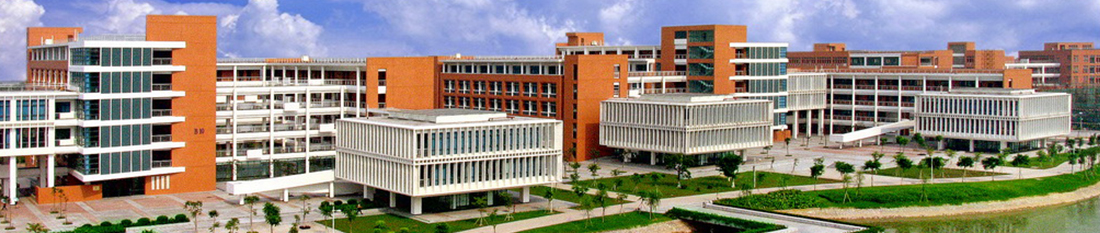
Precision Communication and Intelligent Innovation: 2026 Precision International Communication Summer Workshop Successfully Held
School of Journalism and Communication, South China University of Technology
To implement the new requirements for strengthening international communication capacity during the 15th Five-Year Plan period and to help cultivate young academic talent with international vision, interdisciplinary literacy and practical ability, the three-day 2026 Precision International Communication Summer Workshop was held from July 15 to 17 at the University Town Campus of South China University of Technology. The workshop brought together experts and scholars from journalism and communication, computer science and media practice at home and abroad. Through lectures, academic dialogues and field-based learning, participants discussed topics including theories and methods of precision international communication, regionalized strategies for precision international communication, AI-empowered research on precision international communication, and the practice of precision international communication by mainstream media. Thirty-eight young faculty members, master’s students and doctoral students from more than 30 universities, including Tsinghua University, Fudan University, Sun Yat-sen University, South China University of Technology, The Chinese University of Hong Kong and Macau University of Science and Technology, participated in the workshop.
Focusing on a Timely Issue and Building Consensus on Precision International Communication
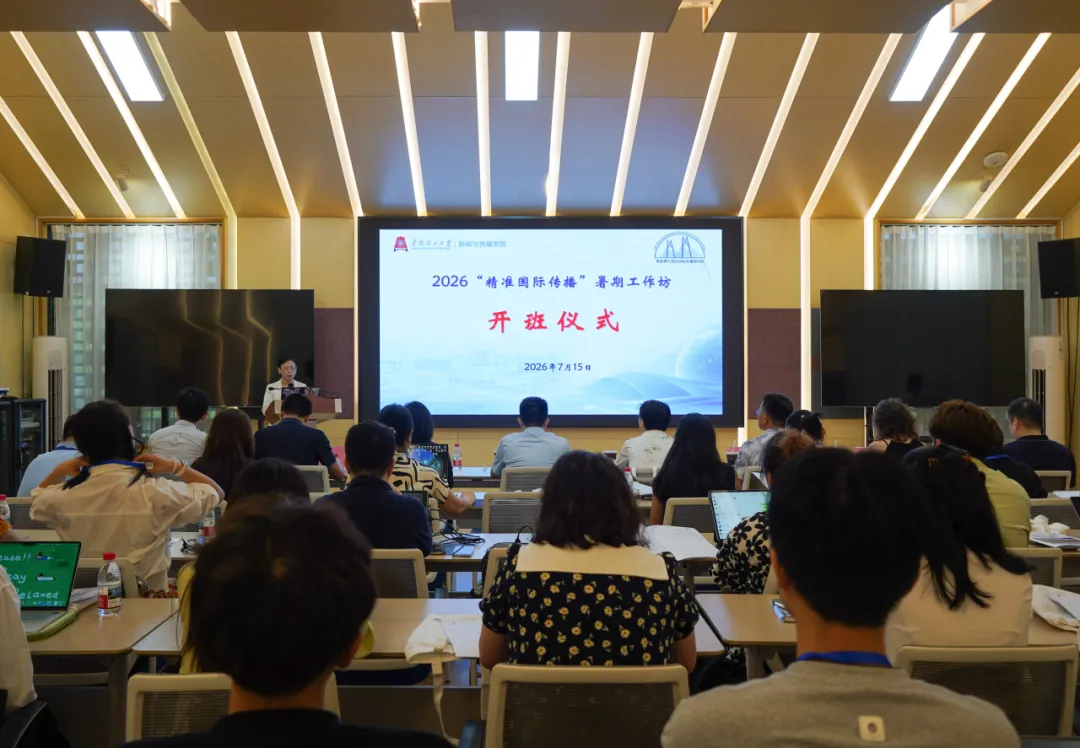
Opening ceremony of the workshop
On the morning of July 15, the opening ceremony of the workshop was held at the Renhouli Lecture Hall of South China University of Technology. Shiyong Li, Director of the Office of Social Sciences at South China University of Technology, and Professor Qingyuan Zhang, Vice Dean of the School of Journalism and Communication, attended the ceremony and delivered speeches. Chengying Wang, Second-level Investigator of the External Communication Division of the Publicity Department of the Guangzhou Municipal Committee; Heqi Dong, Deputy Director of the International Communication Department of Guangzhou Radio and Television; Yanwu Feng, Deputy Director of the Admissions Office of the Graduate School of South China University of Technology; Professor Maria Elizabeth Grabe, Head of the Division of Emerging Media Studies at the College of Communication, Boston University; Professor Shuhua Zhou, Chair Professor of the Department of Media and Communication at City University of Hong Kong; and Professor Yi Cai, Dean of the School of Software Engineering at South China University of Technology, also attended the ceremony.
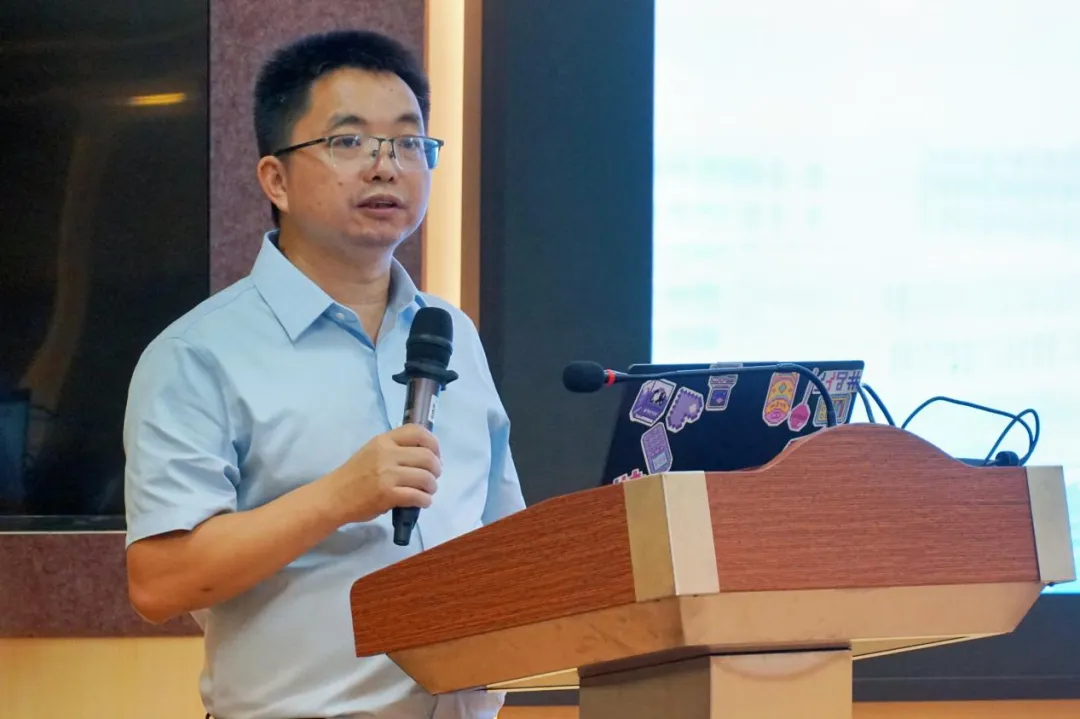
Shiyong Li, Director of the Office of Social Sciences at South China University of Technology, delivered a speech
In his opening remarks, Director Li introduced South China University of Technology’s achievements in promoting interdisciplinary integration between humanities and engineering. He recognized the School of Journalism and Communication’s disciplinary foundation and platform advantages in international communication research. He noted that the university should respond to the country’s demand for high-level opening up, take precision international communication as a key breakthrough, deepen industry-university-research collaboration, and promote the empowerment of communication research and practice through digital and intelligent technologies.
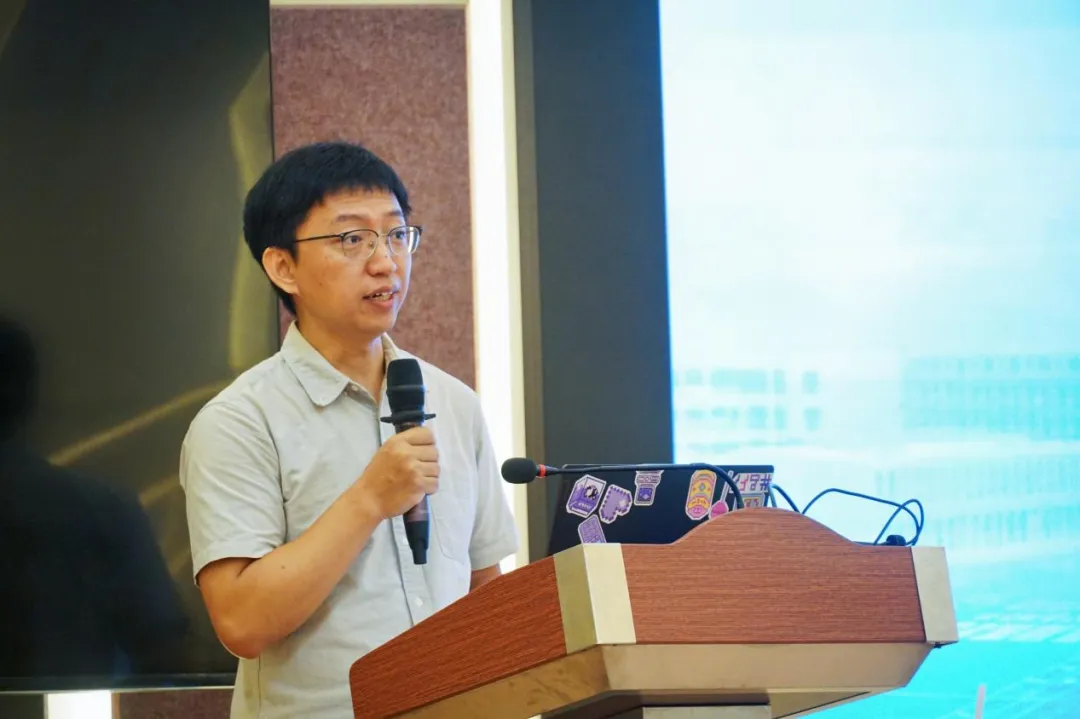
Professor Qingyuan Zhang, Vice Dean of the School of Journalism and Communication, delivered a speech
On behalf of the organizer, Vice Dean Zhang introduced the School’s “3+2+5” disciplinary development and talent cultivation framework. He noted that the School would draw on the university’s strengths in engineering and on research platforms such as the Guangdong-Hong Kong-Macao Greater Bay Area Institute for International Communication, leverage interdisciplinary strengths in international communication and intelligent communication, and explore new models for cultivating communication talent with precision-oriented and digital capabilities.
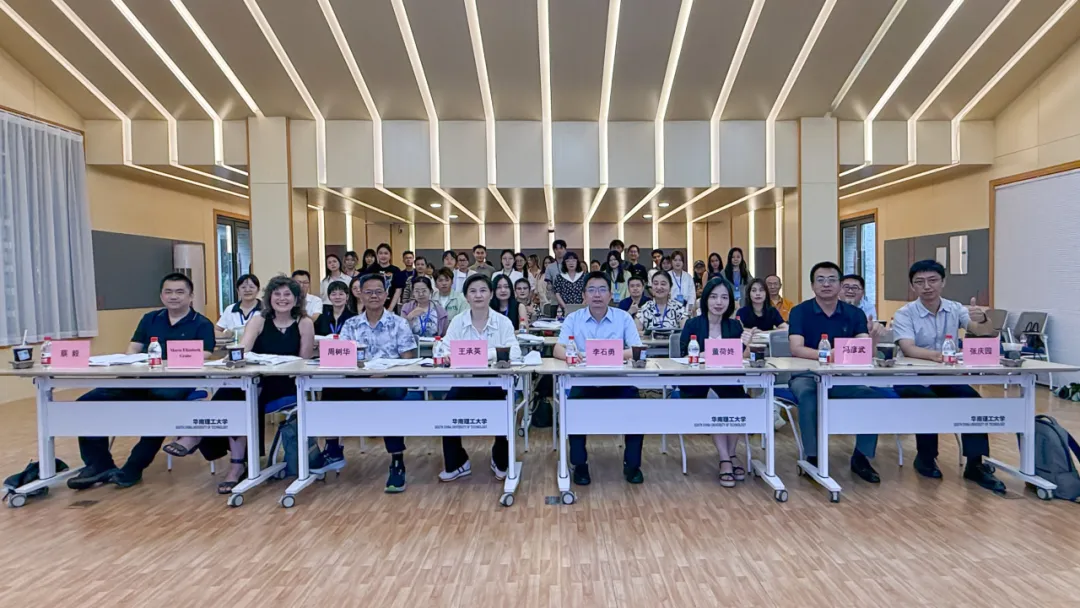
Group photo of the participants
Deepening Humanities-Engineering Integration and Expanding Research on Precision International Communication
During the workshop, experts delivered a series of lectures on the technical foundations, research paradigms, application boundaries and global governance of precision international communication in the age of artificial intelligence.
AI-Empowered Precision Communication
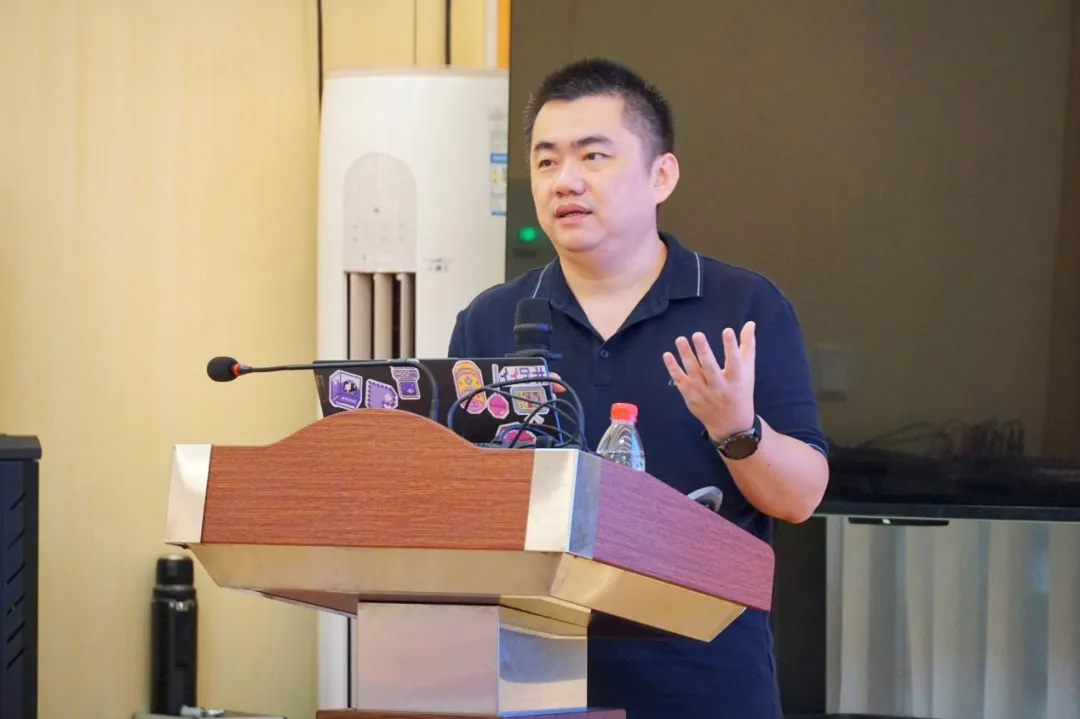
Professor Yi Cai from South China University of Technology delivered a lecture
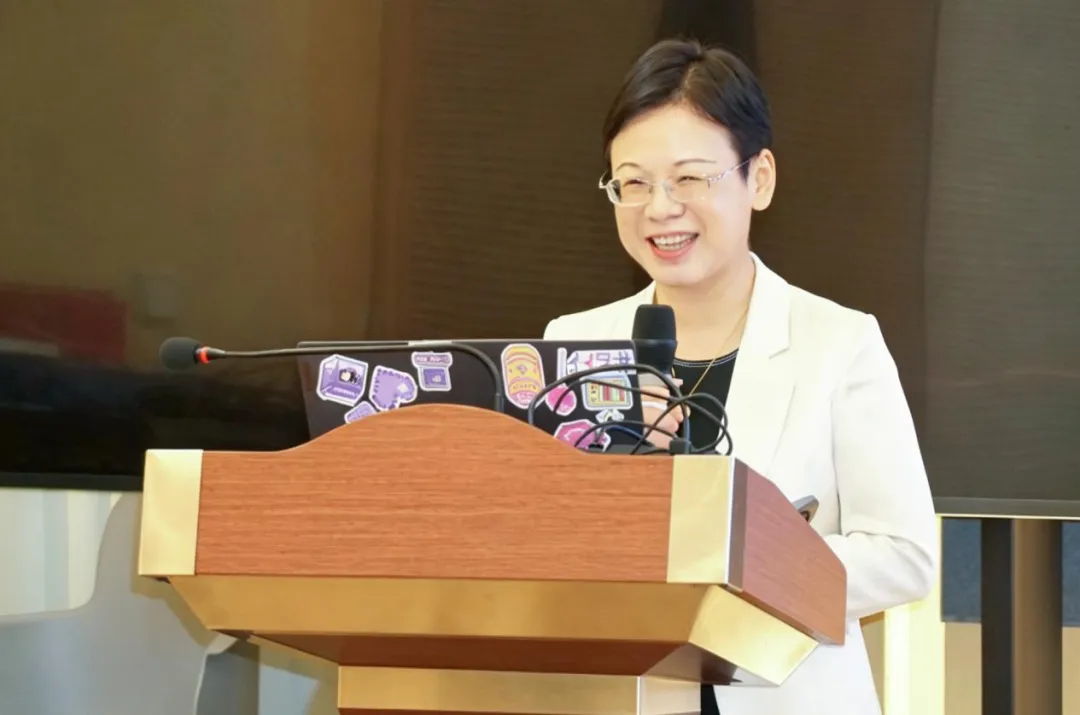
Professor Yunjuan Luo from South China University of Technology delivered a lecture
In the section on AI-empowered precision communication, Professor Yi Cai, Dean of the School of Software Engineering at South China University of Technology, examined the topic from a technical perspective. He reviewed the evolution of affective computing from single-modal recognition to multimodal integration and large-model-driven development, and explained the technical pathways through which AI can improve the accuracy of emotion recognition on social media and support international communication and public opinion research.
Professor Yunjuan Luo from the School of Journalism and Communication and Vice Dean of the Guangdong-Hong Kong-Macao Greater Bay Area Institute for International Communication reviewed the theoretical connections among intelligent communication, computational communication, scenario-based communication and precision communication from the perspective of research paradigms. She proposed advancing precision international communication through coordinated efforts in four dimensions: objects, content, distribution and feedback.
Communication Effects and Application Boundaries of AI
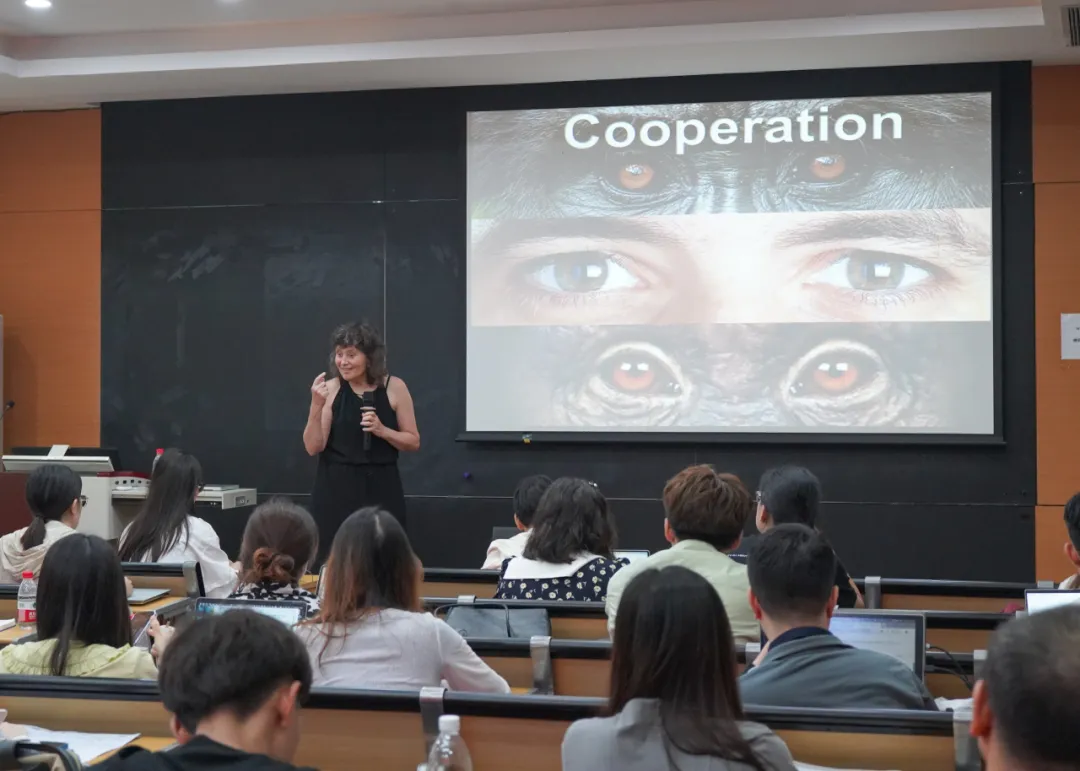
Professor Maria Elizabeth Grabe from Boston University delivered a lecture
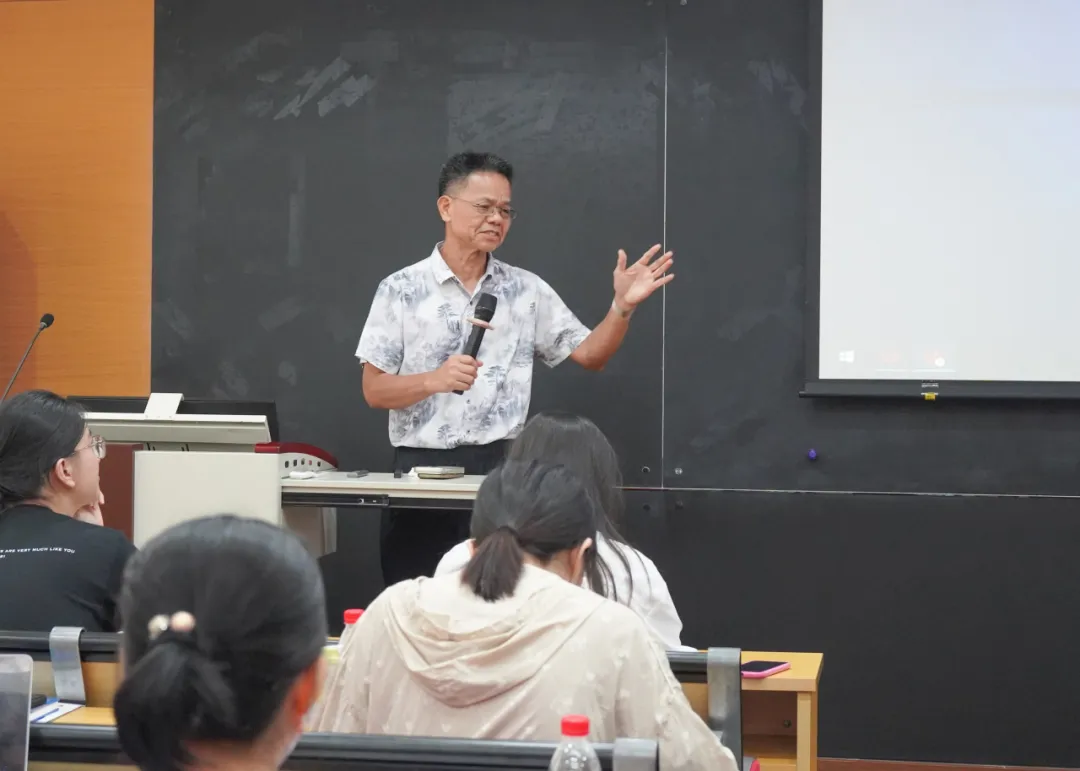
Professor Shuhua Zhou from City University of Hong Kong delivered a lecture
Focusing on the communication effects and application boundaries of AI, Professor Maria Elizabeth Grabe approached the topic from visual communication and persuasion research on large language models. She analyzed how visual elements such as composition, light and shadow, and shot scale shape perceptions of authenticity, credibility and character image. She also explored the relationships among sustained multi-agent dialogue, value resonance and attitude change, while addressing issues related to attitude polarization, intelligent manipulation and safety governance.
Professor Shuhua Zhou, Chair Professor of the Department of Media and Communication at City University of Hong Kong, used “precision drip irrigation” as a metaphor for the direction of AI-empowered international communication. He emphasized that communication studies are concerned with meaning rather than mere information processing. Technology can assist in identifying patterns, but it cannot replace human theoretical judgment, cultural understanding and ethical reflection.
Platform Governance and the Global Communication Landscape
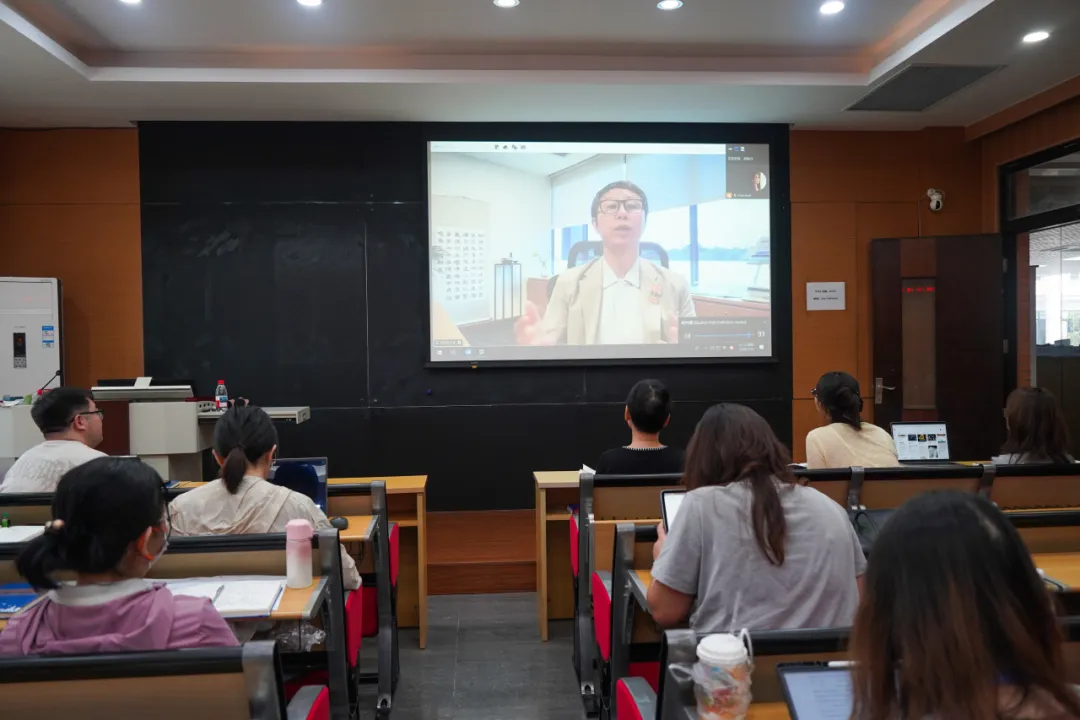
Professor Lin Chuan Qiu from Nanyang Technological University delivered an online lecture
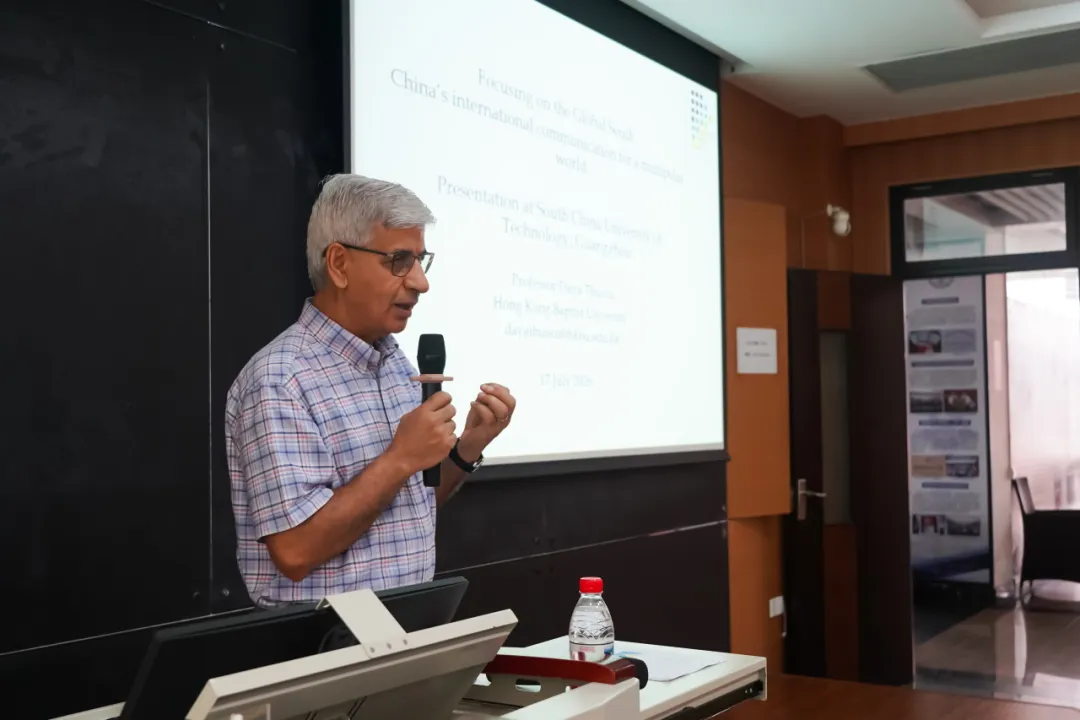
Professor Daya Thussu from Hong Kong Baptist University delivered a lecture
In the section on platform governance and the global communication landscape, Professor Lin Chuan Qiu, Dean of the Wee Kim Wee School of Communication and Information at Nanyang Technological University, began with the geopoliticization of digital platforms. Using the banyan tree as a metaphor for the platform ecosystem in the Asia-Pacific region, he advocated exploring pluralistic and symbiotic governance pathways grounded in local history, community relations and situated knowledge, while also attending to data sovereignty and cultural autonomy.
Daya Thussu, Professor at the School of Communication, Hong Kong Baptist University and President of IAMCR, placed China’s international communication within the process of global multipolarization. He advocated moving beyond a Western-centered perspective, paying attention to media practices and development needs in the Global South, and promoting exchanges and mutual learning among civilizations through more equal, diverse and intersubjective modes of communication.
Focusing on SSCI Paper Writing and Holding Face-to-Face Academic Dialogue
To strengthen participants’ ability in international academic exchange and publication, the workshop held a special training session on SSCI journal paper writing and publication on the afternoon of July 16. Professor Shuhua Zhou, Editor-in-Chief of the Journal of Broadcasting & Electronic Media, first introduced journal positioning, journal selection strategies and submission procedures from the perspective of an international journal editor. He advised young scholars to plan their research directions early and stressed that papers should build a complete chain of argumentation around clear research questions. He also noted that researchers should avoid overstating novelty and continued to improve their theoretical knowledge, methodological training, English expression and academic writing skills.
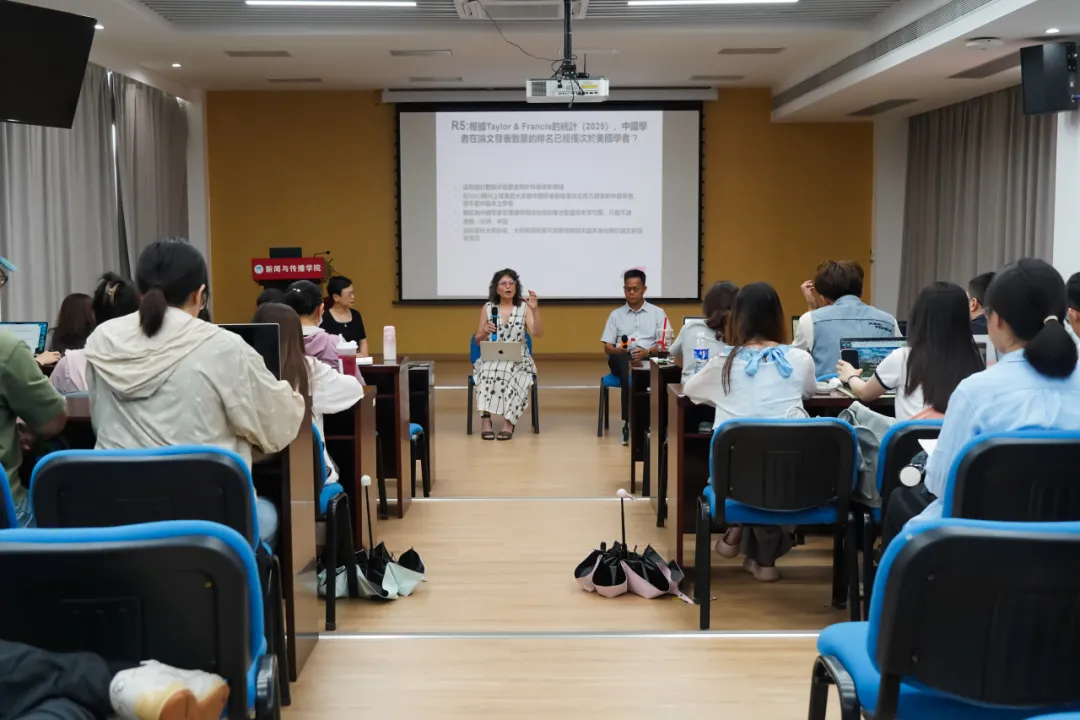
Training session on SSCI journal paper writing and publication
During the interactive session, Professor Shuhua Zhou and Professor Maria Elizabeth Grabe exchanged views with participants on journal selection, research topics and theoretical contribution, interdisciplinary methodological transformation, variable design, and the applicable boundaries of AI-assisted research. They also emphasized the importance of disclosing research procedures, verifying results and upholding academic ethics.
Visiting the Media Front Line and Promoting Practice-Based Teaching and Industry Exchange
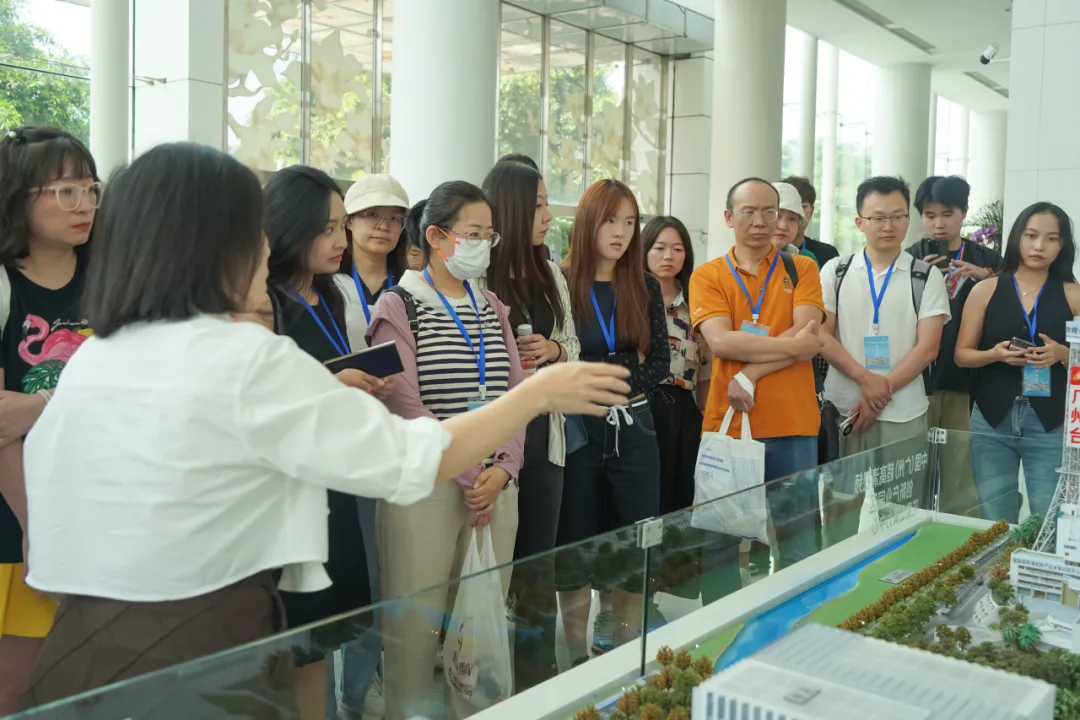
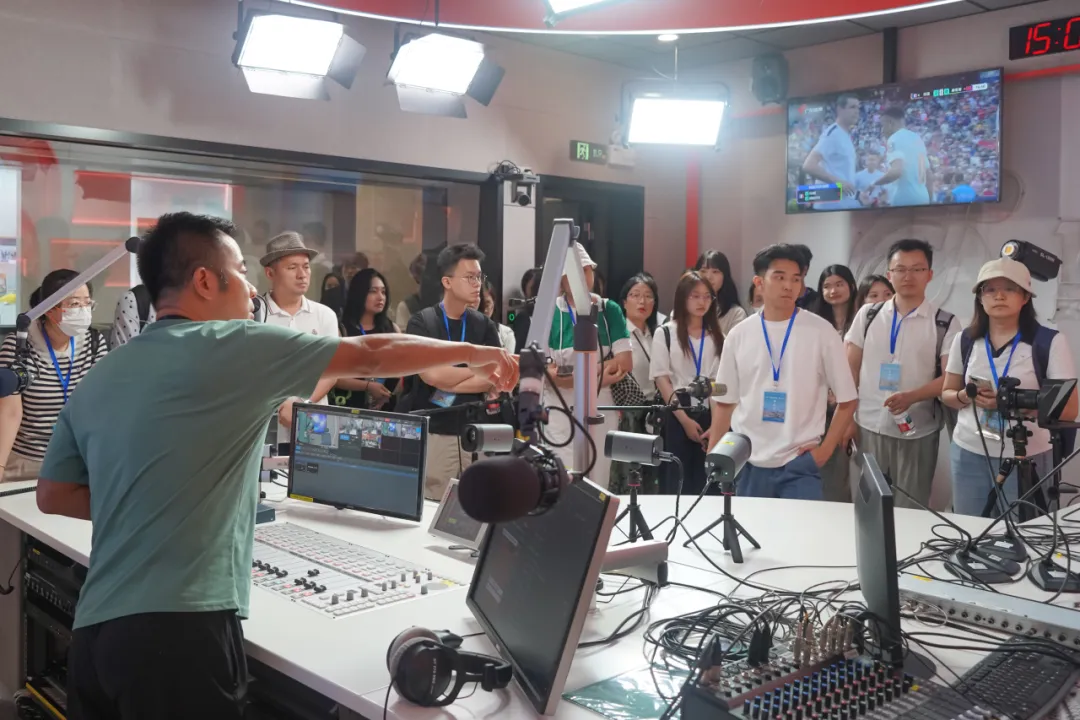
Participants visited Guangzhou Radio and Television and Guangzhou International Media Port for field-based learning
On the afternoon of July 17, the workshop organized a field study visit to Guangzhou Radio and Television and Guangzhou International Media Port. Through on-site visits, business briefings, studio experiences and thematic discussions, participants gained an in-depth understanding of Guangzhou Radio and Television’s explorations in media convergence, intelligent production and broadcasting, and precision international communication. During the visit, participants experienced intelligent production applications such as an “AI music radio host,” gaining a more direct understanding of the relationship between AI-enhanced production efficiency and human review and professional gatekeeping.
The thematic discussion focused on city image narratives, overseas platform operation, audience analysis, effect evaluation and the boundaries of AI applications. Hong Xu, Director of the International Communication Department of Guangzhou Radio and Television, introduced the operating mechanism of the Guangzhou International Communication Center and its practices in connecting Hong Kong and Macao correspondent stations, Greater Bay Area city media and overseas Chinese-language media for content collaboration. He emphasized that precision communication should not stop at language conversion. Instead, it should recognize audience differences and adapt content and narratives to different platforms and cultural contexts.
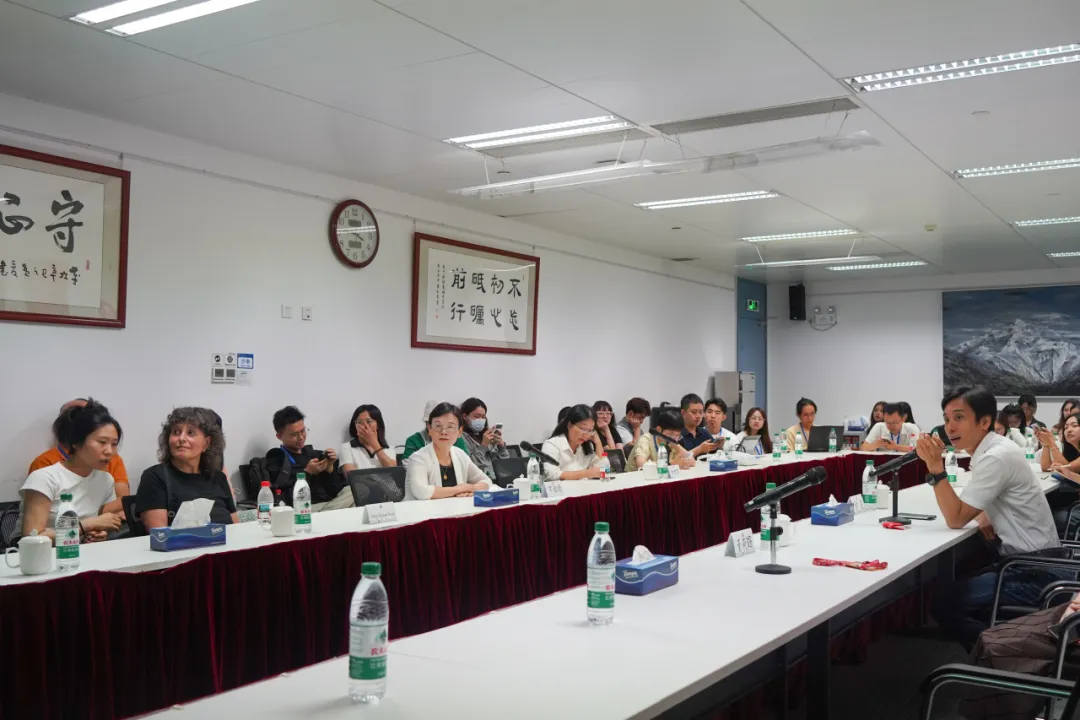
The thematic discussion
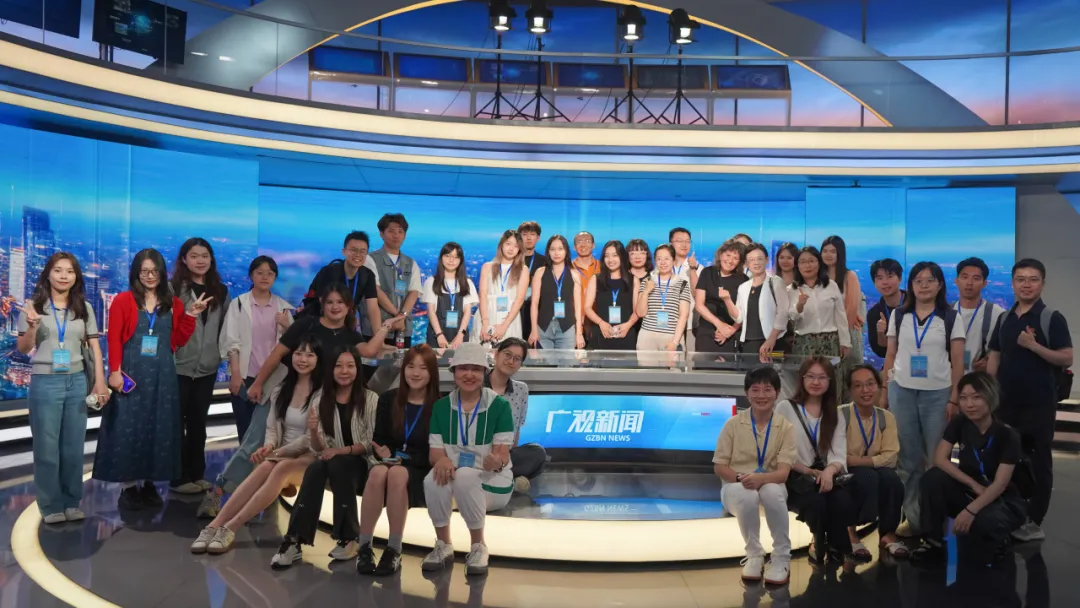
Participants visited a studio
After the visit, the workshop held its closing ceremony. Professor Yunjuan Luo, Vice Dean of the Guangdong-Hong Kong-Macao Greater Bay Area Institute for International Communication, delivered a closing summary on behalf of the organizer. She commended the participants for their active participation and spirit of inquiry during the lectures and field-based learning. She expressed the hope that participants would take the workshop as a new starting point, integrate the theories and methods they had learned with their own research practice, continue to deepen exchanges and cooperation, and jointly advance innovation in research and practice on precision international communication. Finally, leaders and experts presented completion certificates to the participants.
Gathering Academic Wisdom and Responding to National Strategies and the Needs of the Times
The workshop was guided by the Office of Social Sciences and the Graduate School of South China University of Technology, hosted by the School of Journalism and Communication of South China University of Technology, co-organized by Guangzhou Radio and Television, and undertaken by the Guangdong-Hong Kong-Macao Greater Bay Area Institute for International Communication and the Guangdong Provincial Research Center for Digitalized Precision International Communication. Integrating theory, methods, writing and practice, the workshop highlighted frontier-oriented, interdisciplinary, dialogic and practical features. It provided a platform for young scholars to broaden their research horizons, strengthen methodological training and deepen academic cooperation.
Moving forward, the School of Journalism and Communication of South China University of Technology will continue to leverage its interdisciplinary strengths and the regional advantages of the Guangdong-Hong Kong-Macao Greater Bay Area, deepen international academic exchange and industry-university-research collaboration, and advance theoretical innovation, talent cultivation and production transformation in precision international communication. These efforts will contribute to building an international communication knowledge system with Chinese characteristics.